For those with seasonal bookings, road trips or outdoor work on the agenda, the 2026 regional climate variations in Australia are something to factor in. Put simply, it will be a year of marked differences from one region to the next. Inland and southern parts of the country will see an upturn in heat risk, rainfall will be less dependable, and you can count on travel being at the mercy of cyclone, flood or fire warnings; add in the northern wet season and you have a lot of variables. For more insights, you might want to check this Australia travel seasons overview.
But do not write off Australia for that reason. It is just a question of timing. As Finnian Sullivan would say, there is no shortage of places to go but one has to distinguish between a “summer by the coast” and what gets rough as guts inland after 2 pm. For a down to earth 2026 climate guide and none of the brochure stuff, read on.
The Big Picture
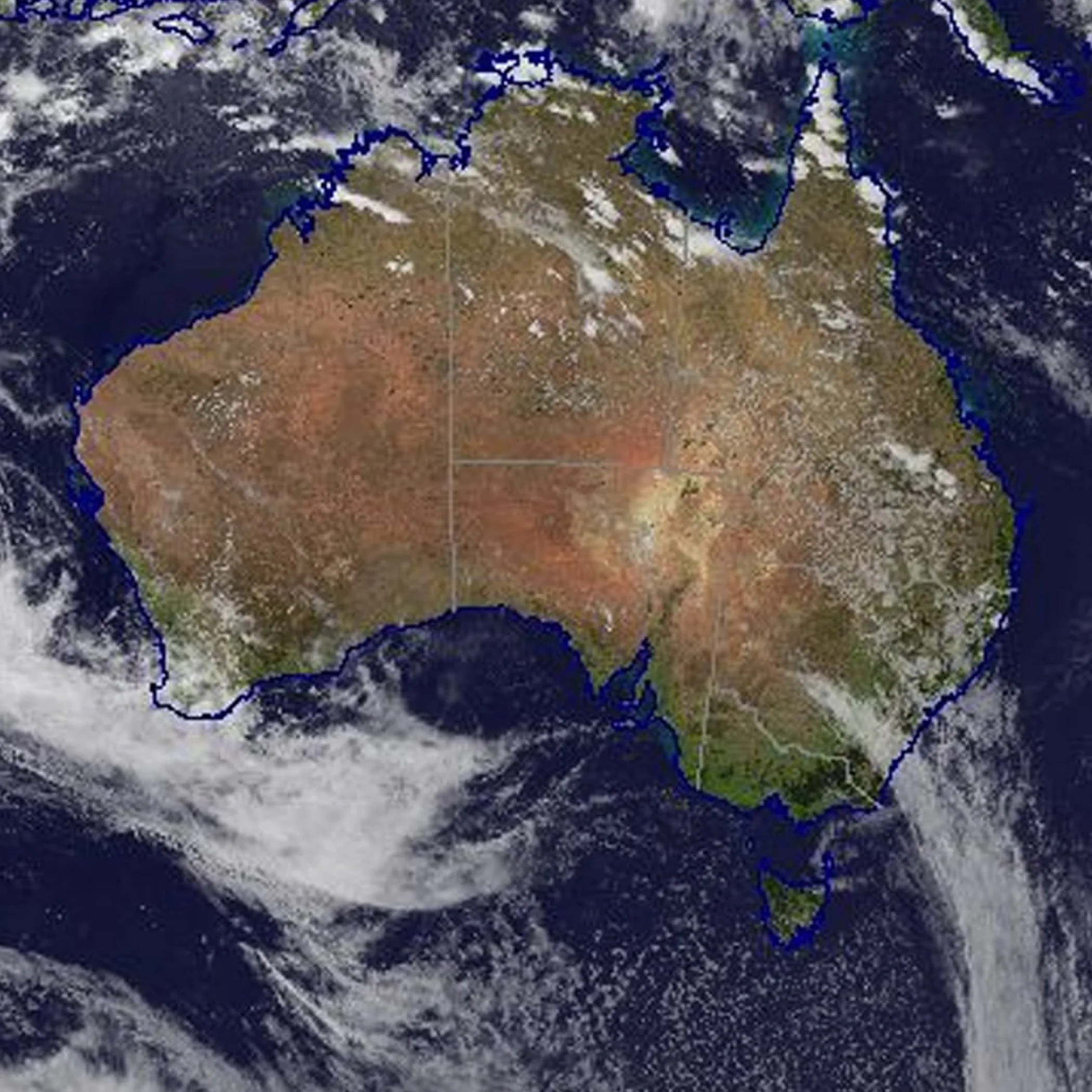
You cannot lump Australia into a single climate category. Long roads and shifting coastlines bind together a whole stack of them, along with weather that is indifferent to your schedule. That is the trap people fall into after a national forecast and think Darwin, the Pilbara and Hobart are all the same.
The outlook for 2026 is for these contrasts to hold firm. Northern Australia will be as it is, ruled by the wet and dry. The eastern and southern districts are more vulnerable to soil moisture running low, variable rain and the kind of weather that breeds heatwaves and bushfires, particularly when warm spells coincide with a lack of rain.
I have seen the same error time and again in my dealings with travellers in Australia. They come with a backpack and some runners determined to “do Australia in two weeks”, without any inkling that the Top End in the build-up is nothing like coastal Victoria in early autumn. The problem is rarely the weather, it is the mismatch.
Some 2026 Takeaways
To put it in working terms: do not plan on a countrywide basis, do it by region. If your travels in the warmer months take you through the southern states or inland, keep a close eye on access and fire alerts. Do not assume the roads in the north during the wet season are going to be open.
A sensible way to go about it is to let the local season dictate the trip, not the school holidays. An overview of Australia travel seasons will tell you more than a run of the mill piece on the “best time for Australia” since timing is everything when it comes to mozzie pressure, a walk being pleasant or otherwise, or a road being closed.
- North: expect the November to April wet season to mean humidity, storms and the odd cyclone or flood.
- West and inland: first-timers are often unprepared for the heat and how patchy services can be over long distances.
- South and east: in the warmer months the key issues are the 2026 heatwave and fire risk in southern Australia.
- Touring is best done in the shoulder seasons though, depending on the region and any warnings in force.
What Drives The Climate
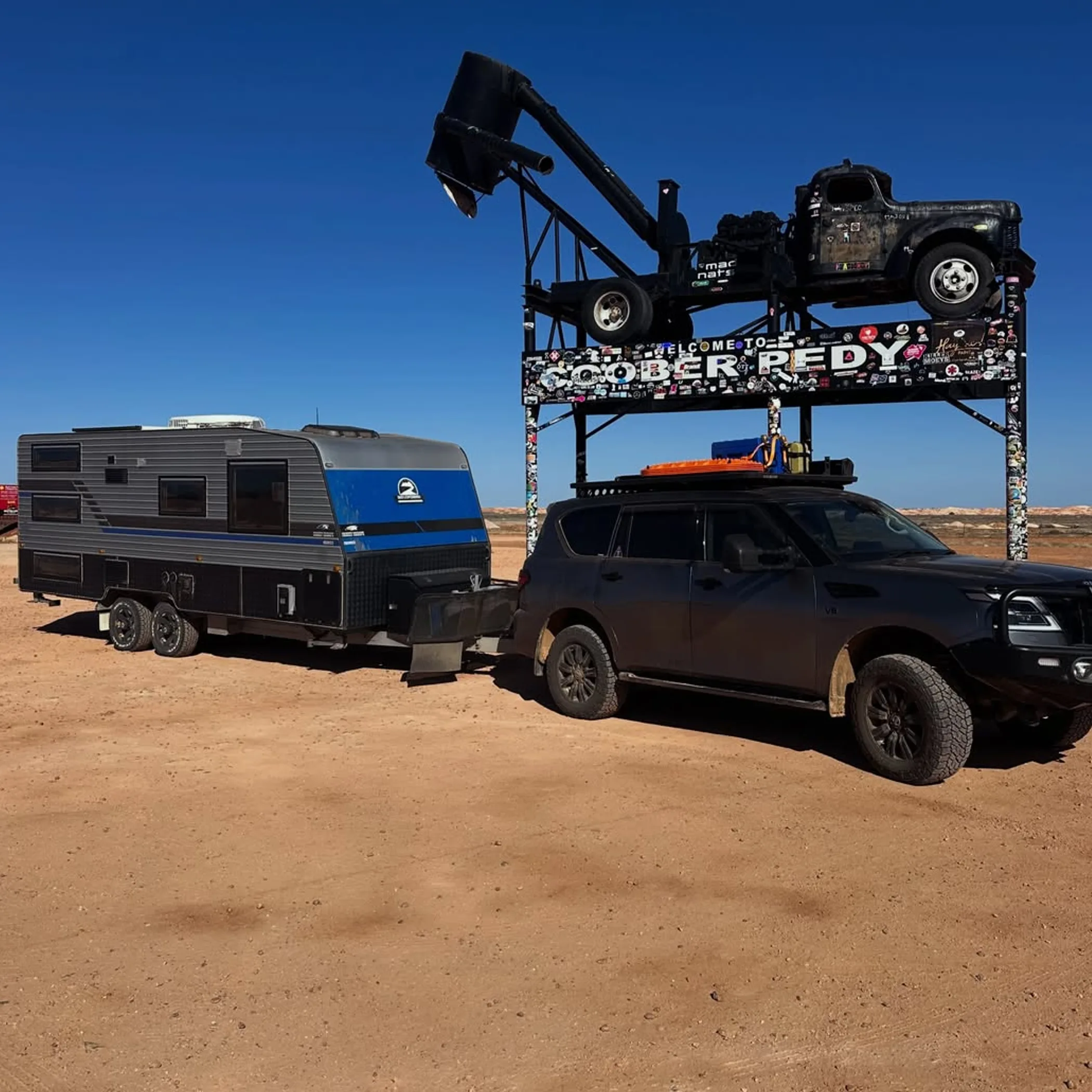
If you want to understand the 2026 regional climate in Australia, look at the drivers. They are not prescriptive of every local forecast but they put the odds in favour of conditions being drier, wetter or more unstable in some quarters.
El Niño (ENSO), the Indian Ocean Dipole, shorter-range patterns and the warming trend of climate change are the principal ones. They set the stage if you like, they do not write the script.
On El Niño And ENSO
As for El Niño 2026 in Australia, you are better off consulting the official updates for the current ENSO status than trying to call it a certainty months out. It may be neutral, cool or warm and each has its effect on the likelihood of temperature and rainfall anomalies.
An El Niño type of background will give cause for concern in some eastern and northern districts where it can make for drier going and up the 2026 bushfire risk. Yet even in a neutral year things can get hot and rain can be intense. The BoM is a better source for that sort of thing than the pub. Influence of the Indian Ocean
Influence of the Indian Ocean
One has to keep an eye on the 2026 Indian Ocean Dipole, a factor of particular import in Western Australia and South Australia as well as the south-east. Should the IOD be positive, one can put down the lower winter and spring rainfall in central and southern Australia to that; a negative phase will see some areas with better prospects for rain.
There is a tendency to think of these ocean patterns as on-off switches but they are not. What they do is alter the odds. A week on the road may yet be at the mercy of a front or a tropical low, or a high-pressure system in an inconvenient position.
The Climate Change Factor
Australia’s long-term warming is evident from the work of CSIRO and the Bureau of Meteorology, as are the altered rainfall and the greater incidence of extreme heat in some parts. It is a trend to be taken into account since it makes for more severe fire weather and heatwave effects when the wind and dryness coincide. One might say it puts the dice in favour of hotter conditions.
Research from NESP2 Climate and World Weather Attribution have been instructive in terms of how climate change can make certain extremes more likely or intense. An individual hot day is not necessarily out of the ordinary, but the baseline has moved. Seasonal travel advice and projections should be used by the traveller as something practical for planning purposes and not merely academic.
A 2026 view from the north
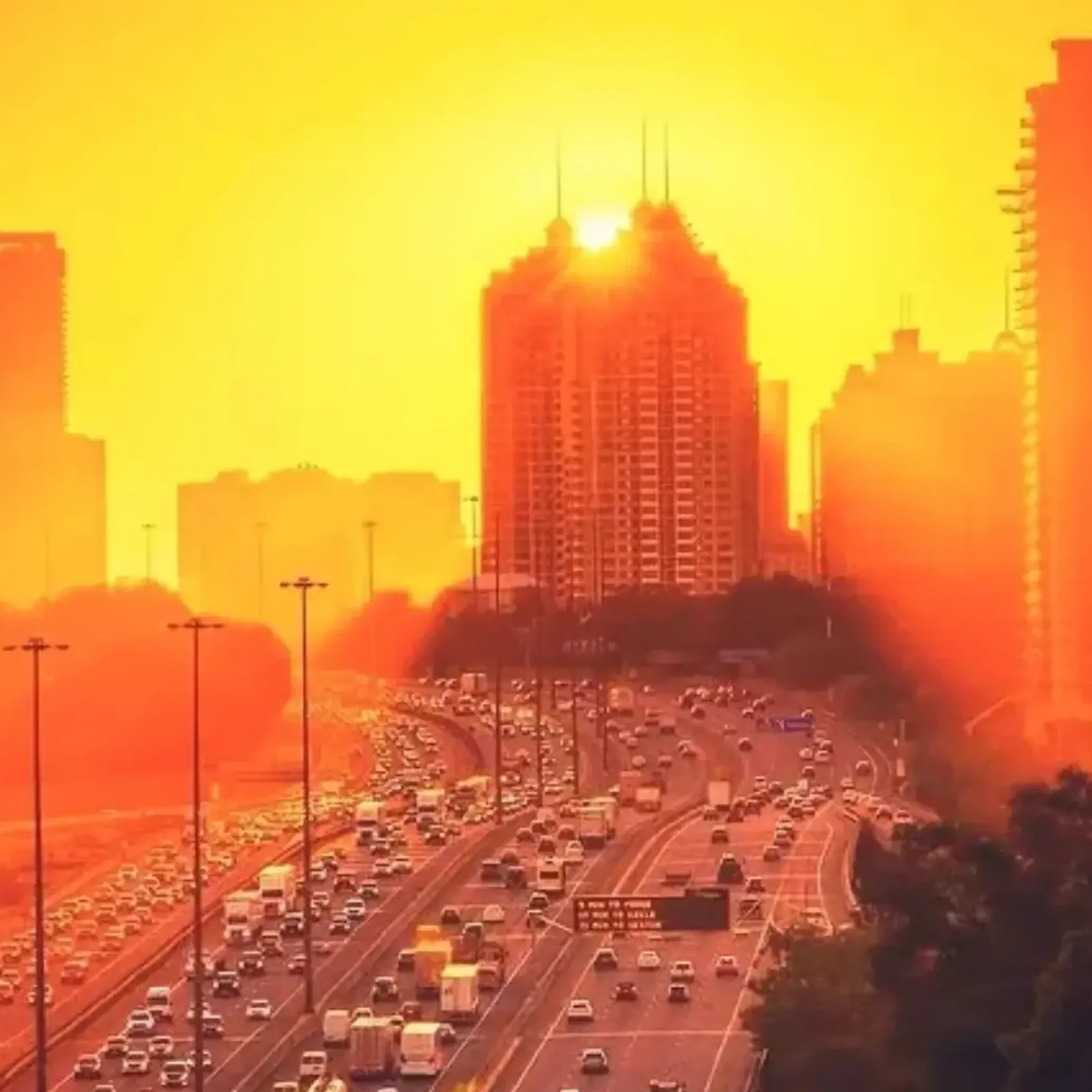
There is a way of doing things in the tropical north and Northern Territory that is either heeded or you are sorry for it later. The wet season will give you your dramatic landscapes and fine storm skies but also has a habit of closing roads and putting rivers in flood so that what was meant to be a simple day becomes an exercise in patience.
Access is the problem in the Kimberley, the Top End and over in Cape York country. Distance is not always what makes it hard. More often it is a matter of if the track is passable, the creek crossing safe and the hire company’s terms permitting any remote driving.
Then there is the reality of the wet season in the north with its humidity, storms and cyclone warnings. Do not expect much in the way of apology from a highway that remains open while unsealed tracks and side roads to parks are shut without ceremony. The weather is the boss.
Make plans for a day in Darwin in the wetter months that are close to town and easy to change. You will be better off with a museum or some time on the harbour than to put your whole day in a national park on the chance the roads are good by morning.
Dry season is generally less of an ordeal up north. The walking is not as hard, the tracks can be trusted and one does not have to put up with mozzies and call it part of the adventure. But the popular window of the dry season means you will find the key centres crowded and tours booked solid. In 2026 a mid-range room in a major gateway town will run you in the region of AUD 180 to 350 in peak times, car hire and tours will be in line with demand and prices.
Western Australia in 2026
You cannot put a single weather label on all of WA. From Perth to the Pilbara and the Kimberley, the South West included, it is as if different countries have been put together with a lengthy fuel bill. I was struck on my first long haul across the inland of WA not so much by the heat as the way it accumulates over the hours. The map will show you nothing but flat country but the glare, the wind and the road will have their effect. Timing is everything in these regions.
The Pilbara and Kimberley are very much creatures of the season. Flooding and the build-up of humidity in the wet can put a stop to touring and station stays. Take the Gibb River Road: it is no place for half-bald tyres and an overly rosy outlook. Most are after the red dirt and a tinnie at dusk and who can blame them. Then they are put out by the lack of shade, the fuel spacing, and a “short detour” turning into something of a chore when the going gets tough.
Down in the Perth belt and the South West you have the Mediterranean type of thing. The coast in summer is fine until the heat and fire risk put an end to your options in a hurry, particularly for any forest drives or national park access you were counting on.
For the South West, a road-trip in winter or spring is more to one’s liking; it is better for long days out, wine country and walking than being put on the spot by the noon heat. Then again there is the matter of rain and what it does to your comfort and visibility, if not to the extent of the disruption you would have in the tropics in the wet season.
Risks in the South and East
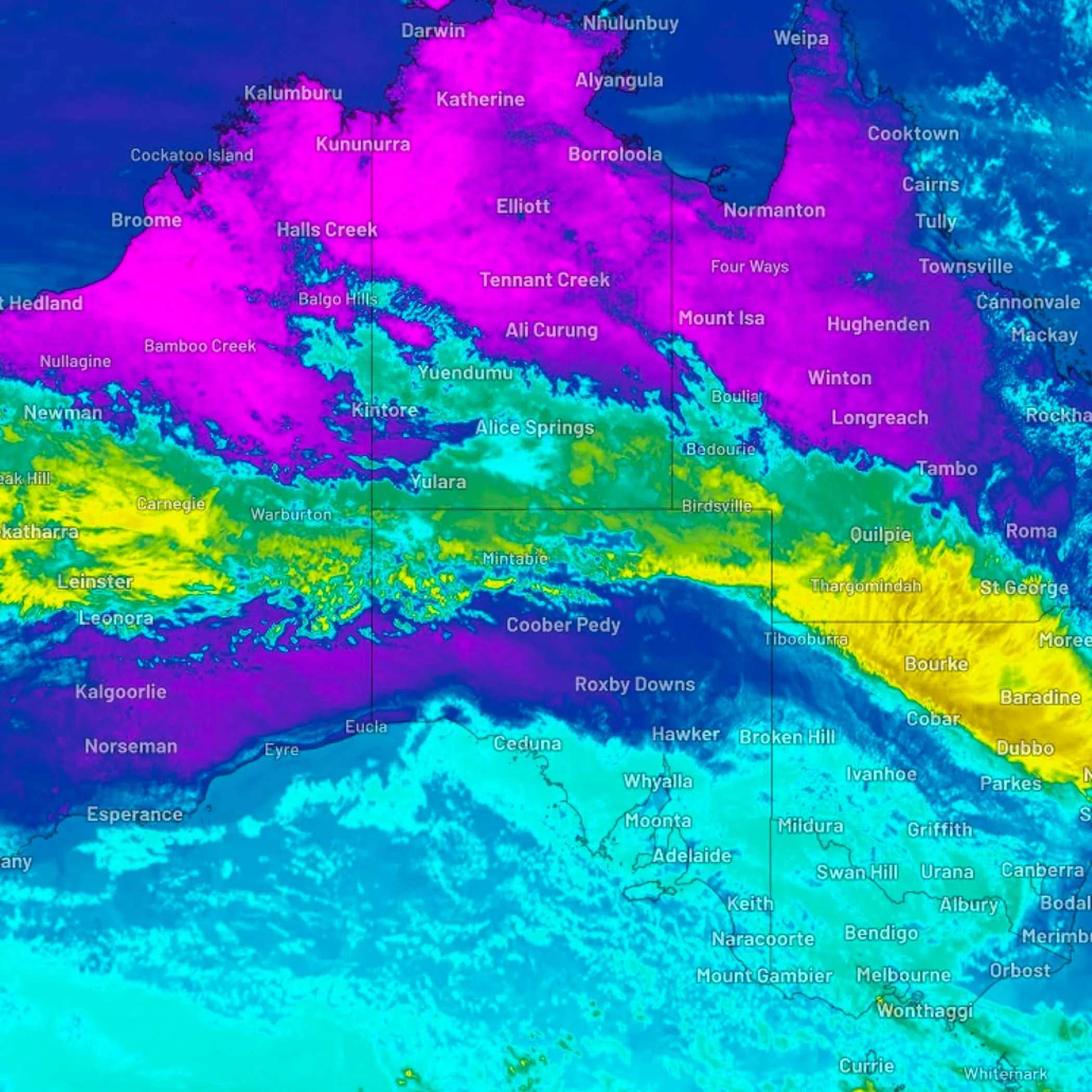
One should be mindful of 2026 conditions in New South Wales, Victoria, South Australia and the inland south-east where heat, bushfires and erratic rainfall are concerns. In these parts an agreeable morning has a way of turning into an afternoon of unhealthy heat, a transport hold-up or a fire ban.
Finnian Sullivan would argue that is where the traveller puts too much stock in his flexibility. The notion is to “wing it”, only to find that smoke, event traffic or a regional closure has done the deciding for you, as has the state of your accommodation booking.
The Pressure of Fire and Heat
In southern districts the Australia 2026 rainfall outlook is of some importance since wind, warm anomalies and dry fuels can make for serious fire weather. That is a concern for 2026 in the forested, peri-urban and farming areas of the south when it is warmer.
And a heatwave is more than a question of comfort. It will impact on the driver, the quality of a camp, food storage, the safety of a walk and even rail performance. You can put in 400 kilometres in mild conditions without trouble but in the extreme heat it is quite another matter.
Contrasts on the Coast and Alpine
There are marked local differences in eastern Australia and southern Australia. The lowlands may be baking while alpine regions experience a cold snap or snow-season variability. An inland town can be running hot while the coast is tolerable.
A mixed itinerary in Victoria or N.S.W. calls for packing for the range and not the mean. Proper sun protection, light layers and a plan B are advisable, more so than most realise, in case a cool change fails to materialise.
When Timing Makes Sense

Rather than impose a national “best month” on your 2026 plans, the sensible approach is to work with the most stable window in any given region. Australia is not so forgiving of lazy timing, poetic though it may sound.
Self-drivers and those towing a van will find this true, as will families and older visitors. The weather dictates driving hours, flood risk, park access and whether a scenic walk is a pleasure or sweaty nonsense.
| Region | Best Practical Window | Main 2026 Watchouts | Who It Suits |
| Northern Territory Top End | Dry season | Flooding, cyclones, humidity, closed roads | Easier touring for families and first-timers |
| Kimberley and Far North WA | After the wet | Track and tyre damage, fuel gaps, heat | A 4WD for the prepared, not the beginner |
| Perth and South West WA | Spring, autumn | Rain in winter, summer fires | For the walker, the road-tripper and wine enthusiast |
| Victoria and Southern NSW | Autumn and spring | Crowds at holiday time, smoke, heatwaves | Mixed-age groups, regional weekends |
| South Australia Inland and Outback | The cooler months | Long distances, sparse services, demand for water | The experienced self-driver with a plan |
In a hot inland locale with just a day to spare, get up at dawn and be done with outdoor pursuits by late morning. Leave the afternoon to rest in the shade or drive with the air-conditioning on. It seems plain enough but one sees people set off on a long walk at 1.00 pm and then feign surprise at how it goes wrong.
Make Good Use of Official Data
Do not let a long-range forecast run your day-to-day trip. It is fine for picking a season, but as dates approach turn to the shorter windows and local warnings.
The Bureau of Meteorology is the official source for current material. BoM has the tools, severe weather alerts and rainfall data for its 2026 long-range forecast that are pertinent to any practical planning.
Before setting out
Look at the maximums and overnight minimums, fire danger and rainfall patterns, and confirm access roads are open. Remote travel means checking shire notices, park alerts and fuel on top of that, for the roads have a habit of changing quicker than a guidebook will tell you. People are wont to rely on the weather app in their phone and nothing else, which is a mistake. One can overlook a flood warning or marine alert, or be without thunderstorm and district fire information that is of greater import than the difference between 31°C and 33°C.
Safety And Comfort: A Plan
There is nothing sensational about our top travel advice for the season of 2026, it is simply sound practice. Make allowances for heat when you put in your drive times, take more water than seems necessary and do not be surprised if a remote journey outlasts what the map would have you believe.
In Australia it is no cause for alarm if road conditions, smoke, insects, tides, a change of ferry or storm delays make a quick plan an exercise in logistics. That is just what happens when the weather is part of the equation.
- When driving inland or in the remote, have a tyre plan at the ready along with food, a charger, sun-safe clothes and plenty of water. Do not count on there being a servo just over the next bend.
- Up north during cyclone season one should have some leeway for cancellations on flights and lodging; a non-refundable fare that was cheap will not stay so.
- In the south over the summer, on days of severe fire weather, have your exit routes to hand and do not put yourself on one narrow road through the forest.
- Shoulder seasons are to be preferred by families and older travellers as they are kinder to the budget, safer for a long walk and generally more agreeable.
- And if you have not done much outback driving, leave your first foray until after the peak of the heat; under harsh conditions some stretches are not for novices.
The Bottom Line
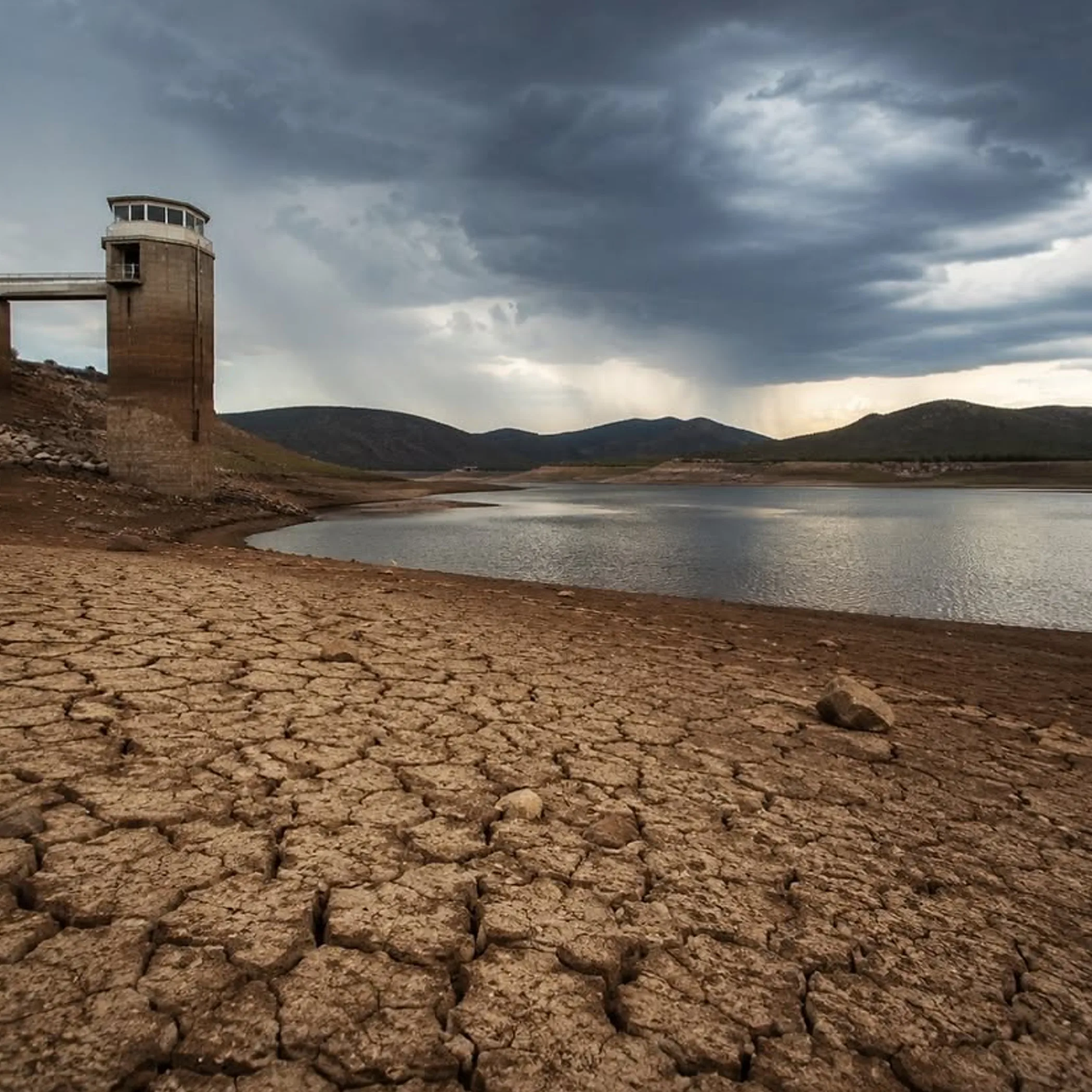
While the precise seasonal outcome is subject to change, the 2026 regional climate picture in Australia is plain enough to work with. Hotter spells and stronger contrasts are to be expected, with a requirement for some flexibility in your plans in the wet up north and the fire-prone heat of the south.
Finnian Sullivan puts it more simply: be prepared and go. Have regard for the official forecast and select the season that suits the place, but do not let a good photograph on the internet stand in for what is actually on the track. It will spare you time and money and some muttering in a hot car park by a locked gate.
FAQ
Will we see a hot Australian summer in 2026?
Elevated risk of summer heat is probable in many areas in 2026, though the intensity will not be uniform. Of concern is the prospect of extreme heat and above average temperatures in parts of the west, south and inland, particularly if it stays dry. BoM figures should be consulted nearer to the date as the timing of a local heatwave can be fluid.
Is Australia set to be made uninhabitable by the heat?
Not in the sense that the whole country becomes unlivable, but the risk is on the rise in some regions and at certain times of year. The problem is the seriousness of the exposure to heat and fire weather and the strain on infrastructure and health in particular places. Seasonal timing and emergency systems and good planning will mitigate that.
El Niño or La Niña in 2026?
One would do well to look at the BoM ENSO updates for confirmation. ENSO is not static and the outlook from the authorities is the only sure answer. El Niño and the like may affect the odds of rain or heat but for a traveller they are no substitute for a local forecast.
Where will climate change have the most impact?
You will not find a tidy answer as the hazard and location dictate the impact. The north has its share of cyclones and heat and wet-season rigours; in the east and south bushfire and heatwaves are a given. Then there is the water stress and extremes in the remote and inland.
How should a 2026 climate outlook inform your trip?
Let it be the initial filter. Pick the most comfortable and safe season for the region and then put the finishing touches to the plan with short-range forecasts and any road or park warnings. Much better than to book on the strength of a national average and hope.