For the most part, the Leave No Trace guidelines for our national parks are not complicated. Make a proper plan, confine yourself to tracks and put up your tent at a designated site, be careful with human waste, do not desecrate fire scars or cultural places and let wildlife be. Do all that and you will have little trouble with park rules anywhere in Australia, while sparing the waterways, Aboriginal heritage and delicate bush from any unnecessary impact.
Finnian Sullivan here. You would think this is self evident until you see a fellow camper washing the mud off his boots in the creek and putting half a muesli bar in front of a possum, then act surprised when the campsite has gone feral come the end of summer. There is no need to be precious about it in the bush; it is a matter of practical habits so the parks are in good order for the next mob.
Why It Is Important On The Ground

The parks in Australia can be hardy but they are not invincible. A dry inland camp may look as rough as guts yet be easily put out of commission, and you only need a few careless boots, some soap and food scraps to spoil a fine creek edge. Consider the importance of green tourism in Kakadu. Then there is the cultural dimension. In many of these parks you will find rock art, scar trees, middens and story places that are part of a living Aboriginal landscape. “Don’t leave a mess” should be taken to mean you do not make of Country a backdrop for your weekend.
A Case Of Scale
It is easy to be dismissive of an orange peel or an illegal fire pit or a tyre with contaminated soil on it. But put thousands of visitors in the Red Centre, the Top End, the Grampians, the Blue Mountains or a Queensland coastal park and the numbers add up. The authorities have their work cut out for them dealing with track erosion, litter and the like. Take Phytophthora, the biosecurity dieback; a soil pathogen that will hitch a ride on your gear and in the right environment a casual walk can cause more harm than one might suppose.
Cultural Respect Is A Given
You do not get this from a brochure, I found out in my time in tourism. Some will think because a place is public they can go where they please. That is not the case. Photography is not allowed in certain spots and access is conditional. In a park of Kakadu’s standing, if you want to be a green tourist, having your Leave No Trace in order is part of the arrangement, not something you put aside once you have your photos.
The Seven Principles
Leave No Trace (LNT.org) and its Australian counterpart offer a framework you can work with, not a guilt trip. The underlying tenets are the same internationally but in Australia you have to factor in croc country, alpine bogs, quarantine and the risk of bushfire.
To put it in a nutshell: be considerate of others, respect wildlife, keep campfires to a minimum, leave what you find, put your waste where it belongs, camp on surfaces made for it and know the rules in advance. All very well on paper, but try it when the dunny is 400 metres off and the wind is howling.
| Principle | What It Means In Australia | Where People Go Wrong |
| Plan Ahead And Prepare | Have your permits and check for closures, tides, water, weather and fire bans. | To assume open tracks or reception will be there when you need them. |
| Travel And Camp On Durable Surfaces | Stick to the boardwalks, formed tracks and campsites. | Put in a shortcut for a view or set up by the creek. |
| Dispose Of Waste Properly | Clean your gear some distance from the waterway and pack out your rubbish. | A shallow scrape for wipes or to bury your food. |
| Leave What You Find | No collecting of rocks, timber or artefacts. | One shell or feather is enough for some. |
| Minimise Campfire Impacts | If in doubt use a gas stove, otherwise abide by the rules and use what is there. | Start a ground fire or a new ring even when banned. |
| Respect Wildlife | Do not disturb them and put your food away. | Get in the animal’s face for a photo or put out some bait. |
| Be Considerate Of Others | Tidy up after yourself and don’t turn a quiet campground into a footy final. |
Plan Properly Before You Go
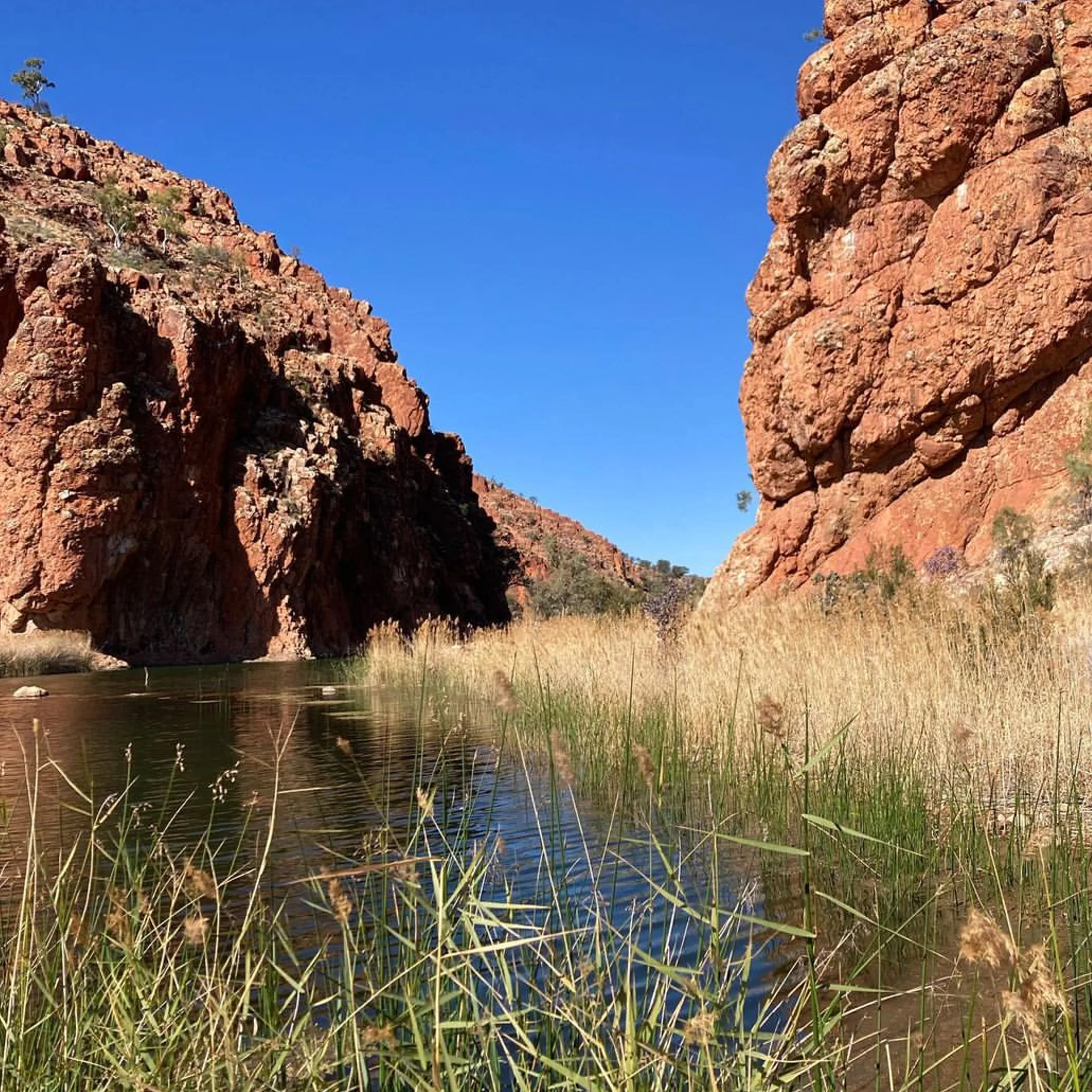
This will save you the most grief. A bit of forethought will spare the environment and keep you from run-of-the-mill Australian inconveniences: being left to it on a track that has been shut, or having to put in three hours of driving with a warm esky only to find the campground was one you should have booked in advance, not to mention total fire bans.
There are no two ways about it, national park regulations will vary from one state to the next, by season and the park itself. So do your homework before you head out. The authority for the place you are going will have the word on permits, booking, access, any local hazards or biosecurity and what the weather is like.
Alerts, Access And Fees
Do not be swayed by something your mate put about two winters back; current conditions are what count. A park can put a stop to you on a track for storm damage, a bushfire, feral animal control, cultural sensitivities or because they are making repairs. It is better to go over the official alerts and permits as you are about to leave than when you first had the notion of the trip. For trip planning and the rules, turn to the state or federal body in question, Parks Australia for instance. You will want to make sure of access at a Commonwealth park such as Uluru-Kata Tjuta or Kakadu through their official information.
Biosecurity Is Not Just For Farmers
Then there is the unglamorous but essential side of camping in Australia: getting the soil and plant debris off your boots, tent pegs, tyres and bike gear. In some parts of the country Phytophthora dieback is taken very seriously given the pathogen’s capacity to wreck native flora. When a park tells you to use the boot-cleaning station or steer clear of a muddy patch, it is not some optional formality. I have known a traveller to be more concerned with choosing a coffee filter than to see if his vehicle is lugging half a paddock into a reserve.
Expectation Vs Reality
You may think a national park means you will come across signs and a loo and taps. The truth is some have fine facilities while others have a gravel bay and a long-drop dunny. An overnight in the remoter bits off the Stuart or Gibb River Road is apt to demand more daylight and fuel and recovery gear than you put down on paper. With a day to fill, make for a well-trodden boardwalk or walk with proper amenities instead of an ill-considered overnight. Safer and of less impact, and you will not be looking for a camp in the dusk with the mozzies waiting to put in an appearance.
Tougher Ground
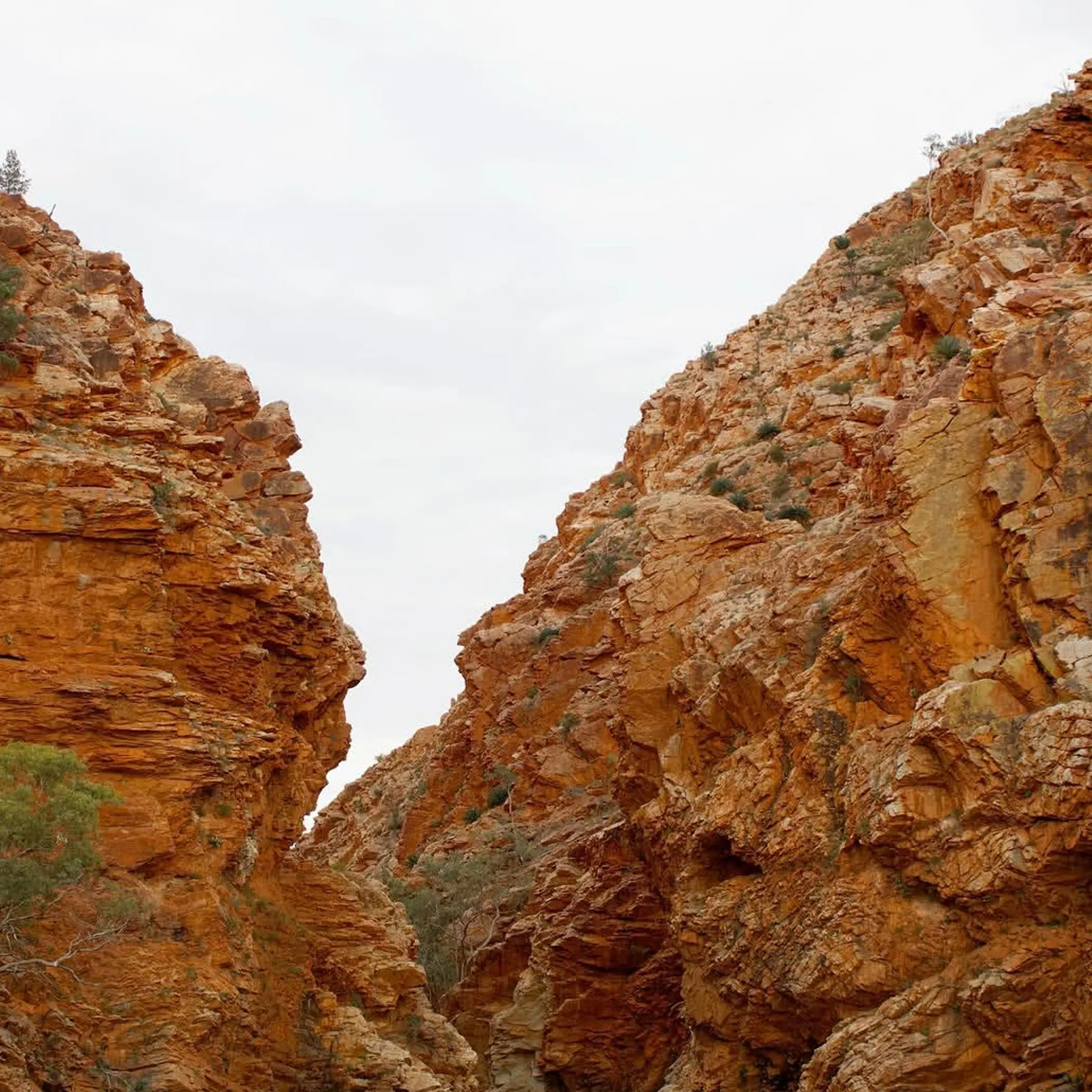
Camping on a durable surface is a quick way to limit the harm done. Rock, gravel, a hardened campsite or a boardwalk will take the foot traffic where a creek bank or alpine meadow or fresh regrowth from a fire will not. Yet people will leave the track for a better photo or to put in a private site, and in doing so trample the vegetation and create braided tracks.
Tracks And Existing Sites
Etiquette is called for on a busy walk. Should the park say to stay on the trail, you put in with the mud rather than go round it; otherwise you are left with a scar. In the wet season a track can go to pot in short order so heed any temporary closure even if the road in seemed fine. Where there is a designated spot, use it. In arid or alpine climes a new little camp can be there for years to see. I have seen folks set up by the river for the convenience of it and do the dishes and then be at a loss as to why the rangers are not pleased. A billabong is not a sink in your backyard.
Waterways And Banks
The riparian zone along a soak or billabong is vulnerable and important for erosion and wildlife. Unless the site is made for it, keep your tent and car and yourself back from the edge. There is safety to consider too. Edges give way, flash floods occur and in the north of Australia one does not have the luxury of ignoring crocs. After dark a nice waterline campsite is a foolish proposition.
Sort Waste
The one thing to take from this article should be the resolve to pack out your rubbish. Not in part, but in its entirety. We are talking about everything: food left over, bottle caps and fishing line, sanitary items and wipes, as well as those odd corners of packaging that a bit of wind will put you to shame for not having put in the bin.
Then there is the matter of proper disposal which goes hand in hand with an absence of litter. Mishandled human waste, dishwater, fuel residue or soiled gear can do a site some harm.
Rubbish, Food And Wash-Up
Do not be under the impression that food scraps are benign simply on account of them breaking down. They make a campsite manky and alter animal behaviour by drawing them in. To reduce the volume of your rubbish employ reusable containers, put food away for the night and if you have to wash up at camp, strain the water. Where the rules of the locality allow, disperse what is left well clear of any waterway and see to it the solids are packed out.
Biodegradable is a misnomer for most. In the right park a tea bag or banana skin is still rubbish. Out in the dry they will be there for ages; in a well trodden park they are training the wildlife to think of your camp as a larder.
Human Waste Without The Drama
Make use of the toilet if one is there. Failing that and where permitted, a cathole is acceptable provided the soil is right and it is some distance from your camp, the track and water. It is with toilet paper and wipes that people lose their composure. Pack them out if the guidance says to. Burying them does not make them go away.
This is not for the novice in remote or fragile country where there are no facilities and the management of waste is anything but simple. There you would be better off at an established campground or with a waste system to the land manager’s liking.
Keep Fire Damage Low
There is a tussle between nostalgia and the reality of bushfire when it comes to a campfire. While it may enhance a trip, in many parks the option with least impact is to forgo a fire altogether, particularly when it is hot and windy.
An existing fireplace or pit is to be used if the rules are permissive. A portable gas stove is preferable though; you will have less scorch marks on the ground or timber to show for it and the camp will not be reeking of smoke for the next two days.
Be aware of local fire rules
They are subject to the risk and season. You will come across summer bushfire closures, total bans or restrictions on firewood and stoves. Up north the wet and dry seasons dictate a different sort of access and fire behaviour, and then there are the cyclone alerts from November through April.
Timing is also a factor. Arriving at camp in the dark to start looking for wood is a recipe for poor decisions, let alone if you are towing or tired and sharing the road with a road train or some wildlife.
Use Less, Burn Less
Confine your flames and burn only where you can. Do not be tempted to strip the bush of branches or habitat timber for the fire. What looks like easy kindling to a cold camper in his thongs is dead wood with ecological value, shelter for the smaller mammals and reptiles.
It is all too easy to think of a campfire as a cosier proposition. The truth is they are smoky and time consuming, frequently banned and a quick way to incur a fine or put a site to rights.
Give Wildlife And Heritage Space
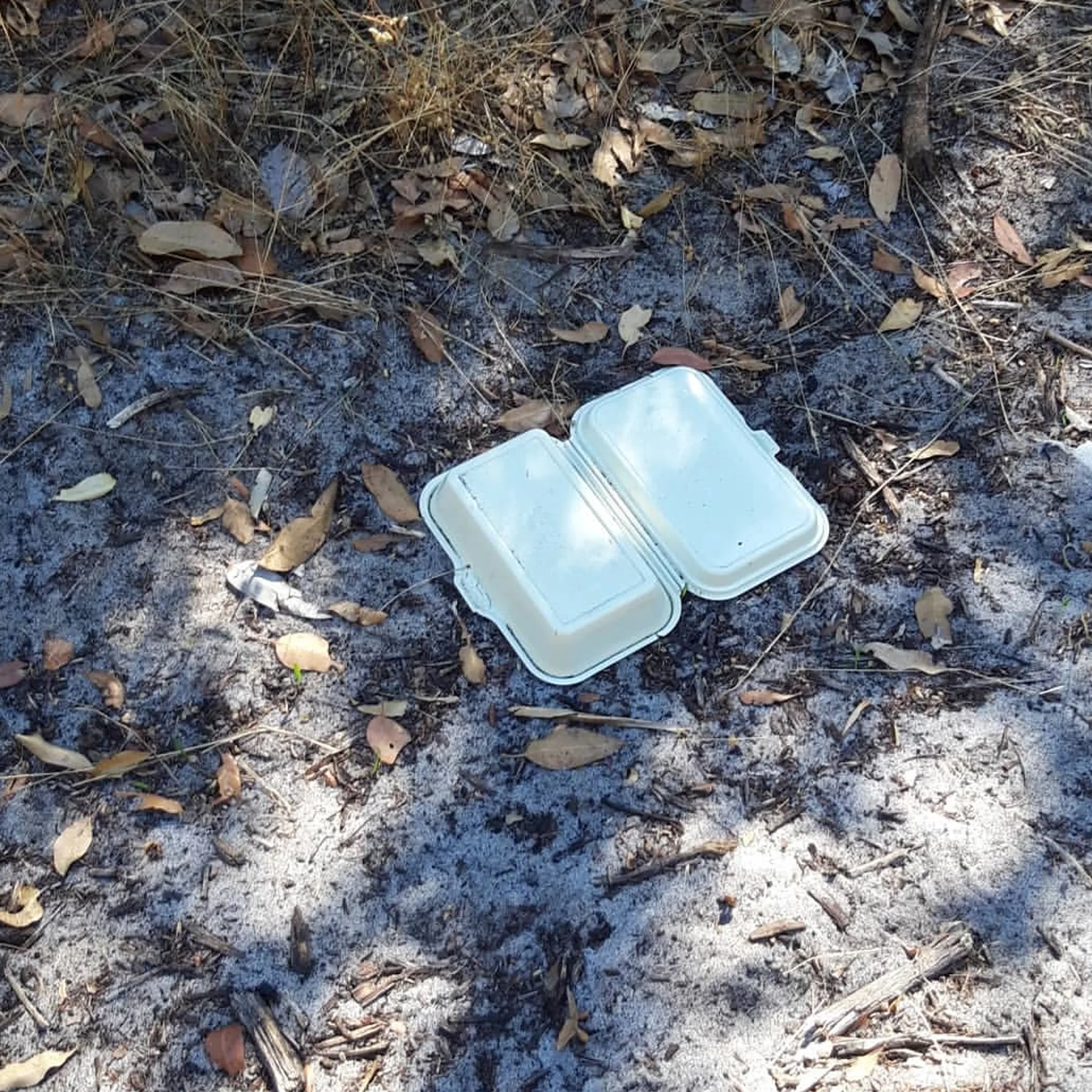
For all that people will recall an encounter with wildlife, it can turn for the worse in a hurry if one is after a photo and crowds or chases the animal. Let them be and do not interfere with their feeding or movement. Heritage is to be treated in like manner. Leave your Aboriginal sites, artefacts and geology as you came upon them; they are not there to be made use of.
Wildlife Watching Without The Nuisance Factor
A kookaburra may seem like a harmless creature to feed but with bolder species you invite aggression and dependence. Put the rubbish away and keep your distance. Dawn and dusk see more disturbance around water and so it is wise to have a tidy camp and control your movements.
I have found the best of the guides slow things down. A patient group has better sightings and puts less on the animal. Go charging in for the hero shot and you will be left with a blur of backside in the scrub.
Respect Country Properly
Stay on marked routes, do not put hands on rock art or clamber over barriers. Even where a place is open to visitors a certain decorum is expected. Your general park reservation is one thing, but there are Aboriginal land access provisions in place that can impose conditions on others.
A question we often get is if national park fees are to be paid by traditional owners or Aboriginal people. The answer is not a given and will vary with the park, the purpose of the visit and the legalities involved; do not think it is a case of one size fits all. The managing authority has put out the rules for a reason, so abide by them.
A Quick Checklist Worth Having
One does not require military level planning for a walk, yet having some system is called for. Run through this before you set off and you will have nipped most Leave No Trace transgressions in the bud before your boots are on the track.
The table below is a practical guide for day and overnighters, telling you who is best suited to what and where people tend to go wrong.
| Trip Type | Best For | Key Actions | Common Mistake | Rough Cost |
| Short Day Walk | For the beginner, families and those short of time | Water, check alerts, do not leave rubbish and remain on the track | Failing to allow for heat and lack of shade | AUD 0-20 (parking/entry) |
| Full-Day Hike | The fit walker at ease with navigation and the elements | An early start, no shortcuts, bring a toilet kit and see what the track is like | Running dry on water after starting late | Up to AUD 40 for transport and park fees |
| Established Campground Overnight | Newer campers as well as the rest | Make a booking, use the stove and facilities, put the site to rights when you go | Food left out, too much rubbish | AUD 20-80 a night, state and site dependent |
| Remote Bush Camp | For the experienced only | Have a recovery plan, fuel in reserve, a toilet system and more than enough water | Disregarding fire bans, permits or limits on access | From AUD 50 to 200, gear and permits aside |
- Make sure of a few things prior to departure: weather, any park or permit requirements, fire and access road conditions, risk of tides or flooding and the availability of water and toilets.
- While out there, keep to the marked tracks and put up camp on ground that can take it. A portable gas stove is preferable and one should be mindful of noise and light.
- When it is time to drive away, put out any fires (if you have had one), clean the mud from your tyres and gear and give the site a once over for micro-rubbish. You want to leave it as though no one was there.
Questions People Commonly Ask
You will hear these asked a lot, generally once the car is loaded. It is better to have them settled now instead of making an issue of it in front of a ranger or a locked gate.
What constitutes the Leave No Trace principles in Australia?
The same seven you will find anywhere: plan and prepare, dispose of waste, leave what is there, be considerate, respect wildlife and make minimal impact from your campfire. In Australia the details are more about dealing with the heat and fire, water issues, Phytophthora and other biosecurity matters, fragile soils and cultural heritage.
Is there a fine for camping in a national park?
There can be. For littering, damaging vegetation, disturbing wildlife, entering a closed area or contravening permit conditions, a fine is possible. The offence and the state or territory will determine the sum, so look to the park authority for the facts, not what you may have heard at a campsite.
Which is the least popular national park?
You will not find a definitive answer that holds water since visitation is fluid and parks do not all put forward comparable public rankings. One might ask which are the least visited in terms of their remoteness or facilities. Some remote parks with rough access or seasonal closures will have fewer visitors, but that is not to say they are without value.
Do Aboriginals have to put up with national park fees?
Not as a matter of course. It is down to local policy, the park and the land tenure. In some instances a traditional owner or local Aboriginal person may have an exemption or right of access, in others the standard booking system is in force for all.
Will burying food scraps suffice?
As a rule, no. In a number of Australian parks it is bad practice; it is a visible nuisance, will not break down and draws animals. Unless there is an approved disposal method at the site, the sensible thing is to pack out your rubbish, scraps included.
In a Nutshell
None of the Leave No Trace tenets are meant to be fussy or rob you of the pleasure of being outdoors. It is simply a matter of not making a mess of the bush, your track or a sacred spot. When Finnian Sullivan speaks of sustainable tourism and minimal impact, this is what he means in practical terms.
Put in the time for the unglamorous preparation. Heed the signage, have a respect for Country and see to it your gear is clean. Make use of the stove if a fire is not on and be sure to take your rubbish with you. When one does these simple tasks properly, as many a traveller should, the national parks of Australia are left in better shape, safer and more agreeable for those that follow.
- Before setting off, make sure you have looked into official permits, bookings and any alerts.
- Confine yourself to the tracks and put up camp on ground that is durable or at an established site.
- Dispose of toilet waste as you should and leave no rubbish behind.
- Fires ought to be kept to a minimum, small and within the law, or forgo them.
- And always show due respect to Aboriginal cultural sites as well as the wildlife and other people in the area.