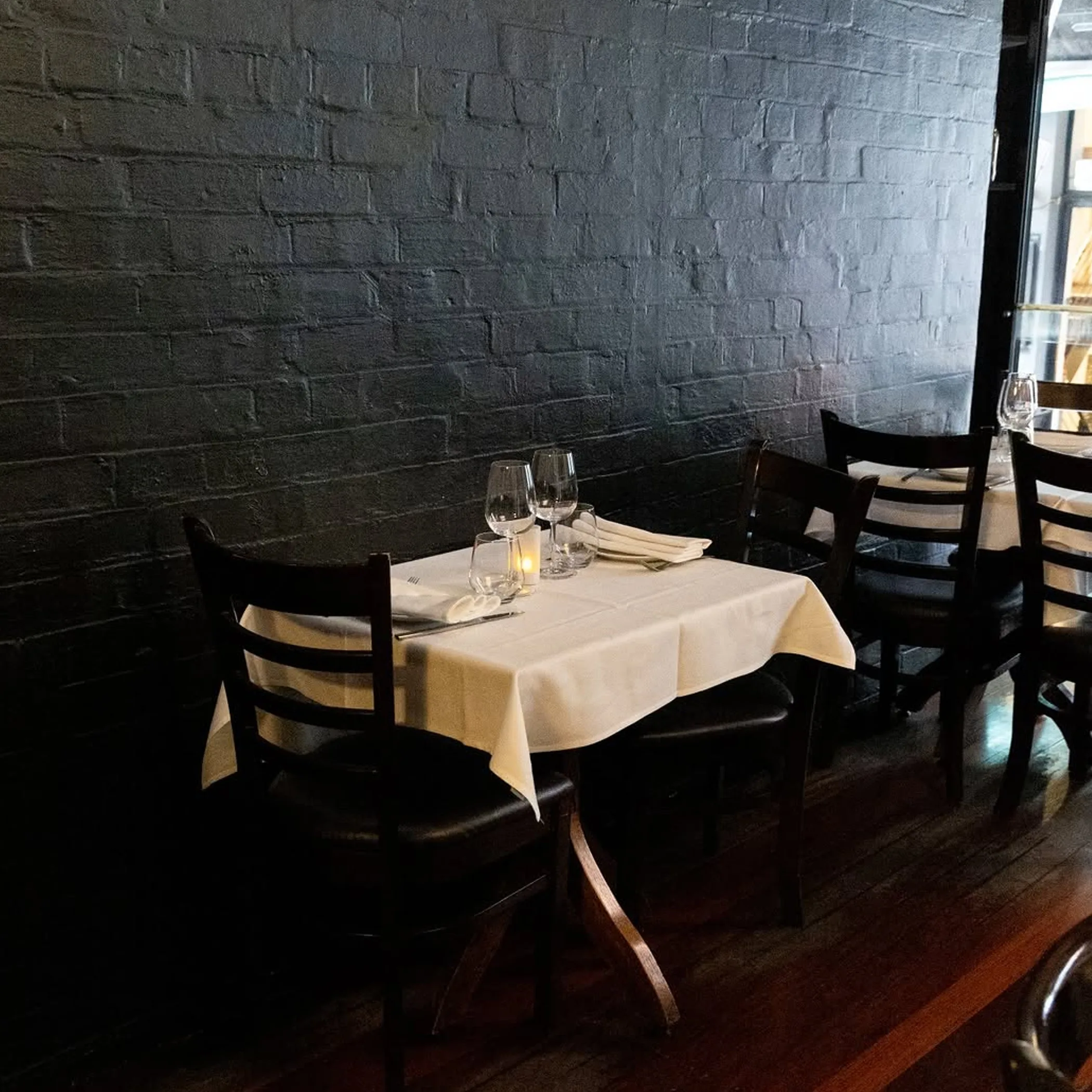
The tiny tables, exposed brick and the sort of doorway one has to be shown are no longer the order of the day for Australian Laneway Dining 2026. The better venues have put aside that old formula in favour of a mix of flexible menus, food with a defined identity and local provenance, not to mention some good alcohol-free options and a service which puts life into a compact room instead of turning it into a sardine can.
There is more to choose from for the diner, and none of the formality of a proper restaurant. Operators will find the laneway way of doing things accommodates counter service, a tightly edited menu and a smaller footprint; but then again, access issues, the weather and a lack of storage space have a way of catching one out.
I am Finnian Sullivan. In this report I have made a point of distinguishing what is practical from marketing froth, and you will not find me putting forward statistics I have made up.
Laneways Gain New Purpose
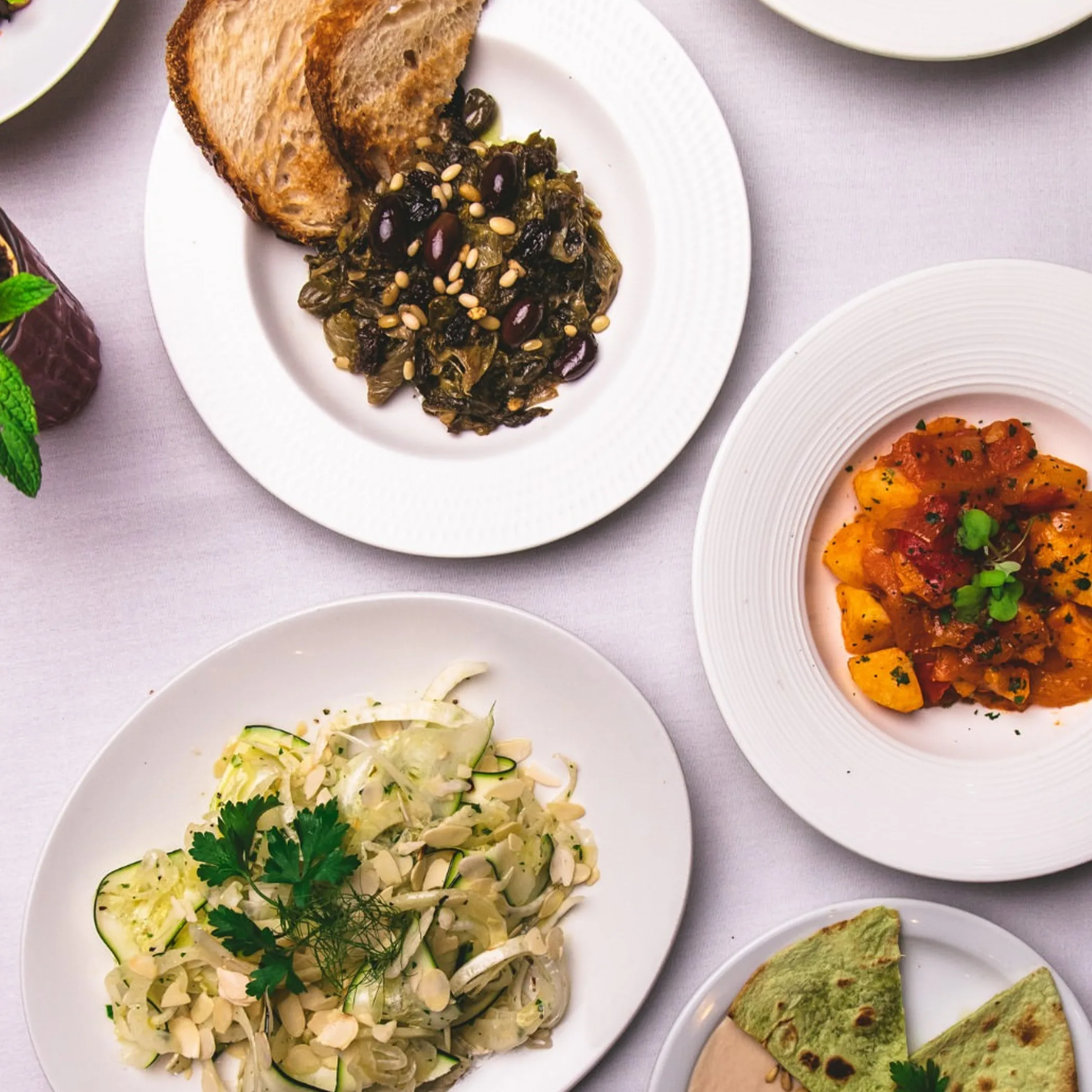
In Melbourne at any rate, 2026 dining in the laneways is part of a move to the neighbourhood level and to something more distinctive. A diner these days requires a good reason to come in: an odd drink, a room of character, a menu run by the producer or a dish done well. For a truly unique experience, consider Melbourne laneway food adventures.
Food quality is the price of admission in the experience economy model. You might pique someone’s interest with a hidden entrance, but it is not going to make up for slow service, hard seats or chips as joyless as wet cardboard.
What Diners Actually Gain
Immediacy is what you get in a compact venue. One can see the cooks at work and put two and two together as to why the menu has been altered, all while having a word with the staff. Then there are the pop-ups and micro-restaurants where an operator can try out an idea without the need for a large dining room.
People are quick to think “hidden” is unthoughtful, but a successful Australia laneway restaurant will have its street number on show, a map pin in the right place and safe entry. There is only so much charm in mystery before a traveller has circled your dumpling shop for 20 minutes.
Seven Signals Shaping Menus
Specificity is the watchword of the top dining trends 2026 in Australia, where a concise menu with a point of view holds more value than six pages of nothing in particular.
You can get some perspective from the likes of Time Out Australia, Delicious, AGFG, OpenTable Australia, RCA, Nestle Professional Australia or FoodHub for Business. But their commercial reports and editorial choices are for different ends, so do not take a claim as national fact without looking at the methodology and date.
Consider the table above a means of assessment rather than a ranking of statistics. I have not been given a numerical dataset to work with so no market share or growth rate is asserted here. Should a report put forward a 10 per cent rise in demand, look at the base first. Ten additional bookings out of a hundred is one thing, but it does not mean much for Sydney, Melbourne or the country at large.
Local Produce Builds Trust
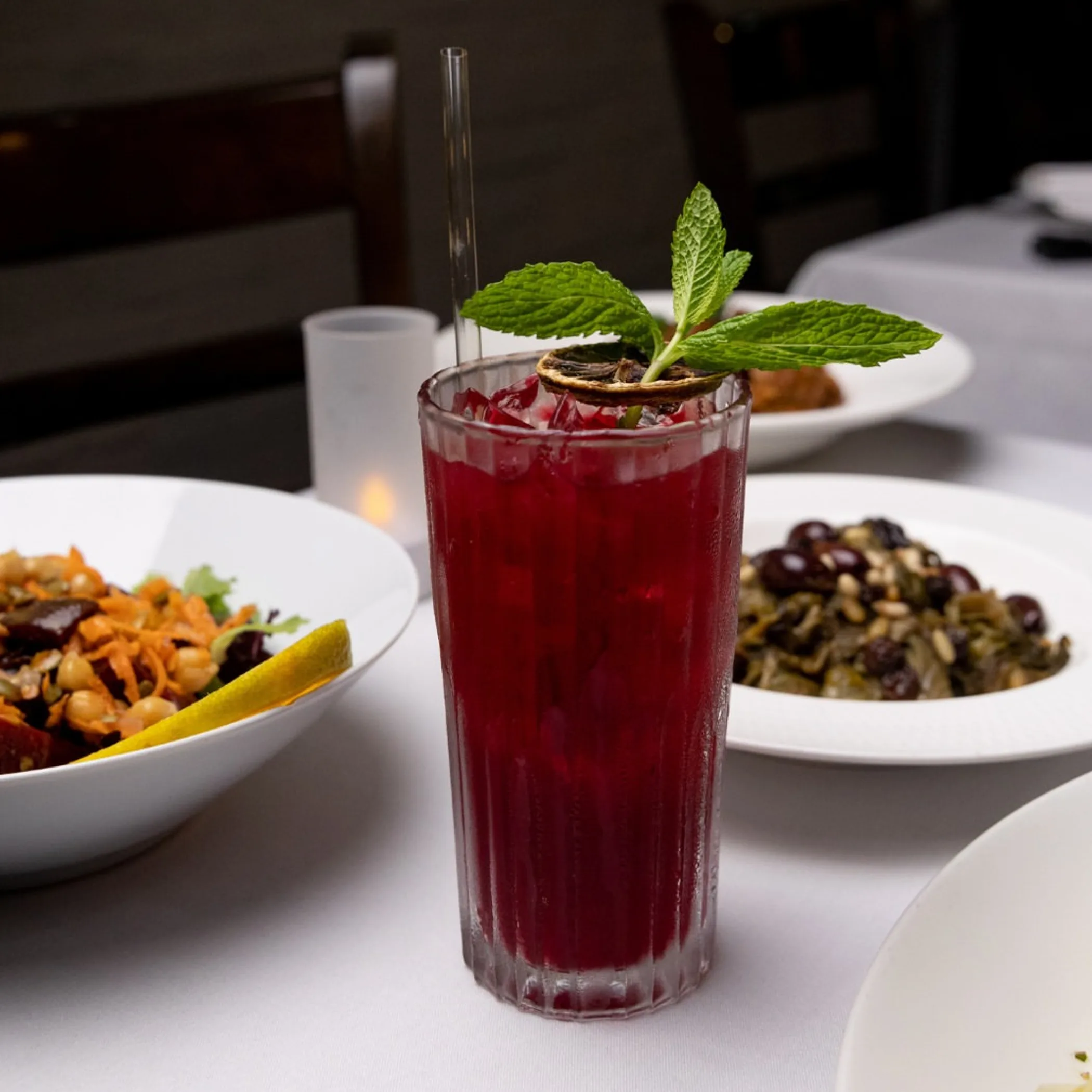
When the flavour or freshness of a meal is put down to provenance, hyper-local cuisine in Australia is at its best. It is a shift from the vagaries of “Australian-inspired” to something authentic, be it a regional technique or a rapport with producers that does not require a lecture over dinner. Staff should be able to set out what is local and what has had to travel.
Native Ingredients Need Context
Native produce is not confetti to be put on a plate; it has cultural and ecological standing. A responsible menu will be correct in its identification and will not put forward Indigenous ownership unless it is warranted, nor shun acknowledging an Indigenous producer when there is a real connection.
One must also be careful with low-impact harvesting. Supply is subject to fire and rainfall among other things, so “foraged” is not synonymous with sustainable. If a substitution is called for, be honest about it rather than have a menu that tempts questionable sourcing.
Provenance Must Stay Specific
Only name the region, method or producer if you can back it up. To call something natural or local and leave it at that is weak provenance. A simple answer to “Where does this come from?” will put a diner at ease far better than a few lines of poetry on the menu. It is better for operators to put in the work of updating menus to reflect a supplier’s new name than to leave an old one from the farm on there out of convenience.
Small Rooms, More Social
For the solo or impromptu diner, social seating in a restaurant can be a way of making urban dining more of an option. Counter space has the added effect of bringing guests into contact with the staff and makes a floor plan that is otherwise constrained part of what you are there for.
Then again, personal space is something of a trade-off. While a shared table is fine for a brisk, animated meal it will wear on those with sensory issues, mobility needs or trouble hearing. Any good hospitality operation will have made the seating situation plain before the booking is confirmed or payment taken.
Dinner Reality as Opposed to Expectation
One goes in expecting some intimacy and is met with elbows and bags under the stools and a queue at your back. The venue has to be on top of bag storage, ventilation and the like to make social or counter seating work.
There is the matter of hidden locations too. A cobbled approach, a service lane or a heavy door will put off some diners. It is up to the venue to put out information on whether entry is step-free, if staff are on hand to help from the street or if there is an accessible dunny.
An Urban Map in Simple Terms
Make a note of three things when planning a laneway visit: the transport stop, where you get in from the street and the door to the venue. You may find GPS is not to be relied on between the taller buildings and reception in an older building can be poor.
In Melbourne it is usually more sensible to take the tram or train than to look for kerbside parking. Rail, light rail and your own two legs are often a neater proposition in Sydney’s denser precincts. As for parking and transport, prices and disruptions are subject to change so consult the official sources for the day.
When Drinks Are the Draw
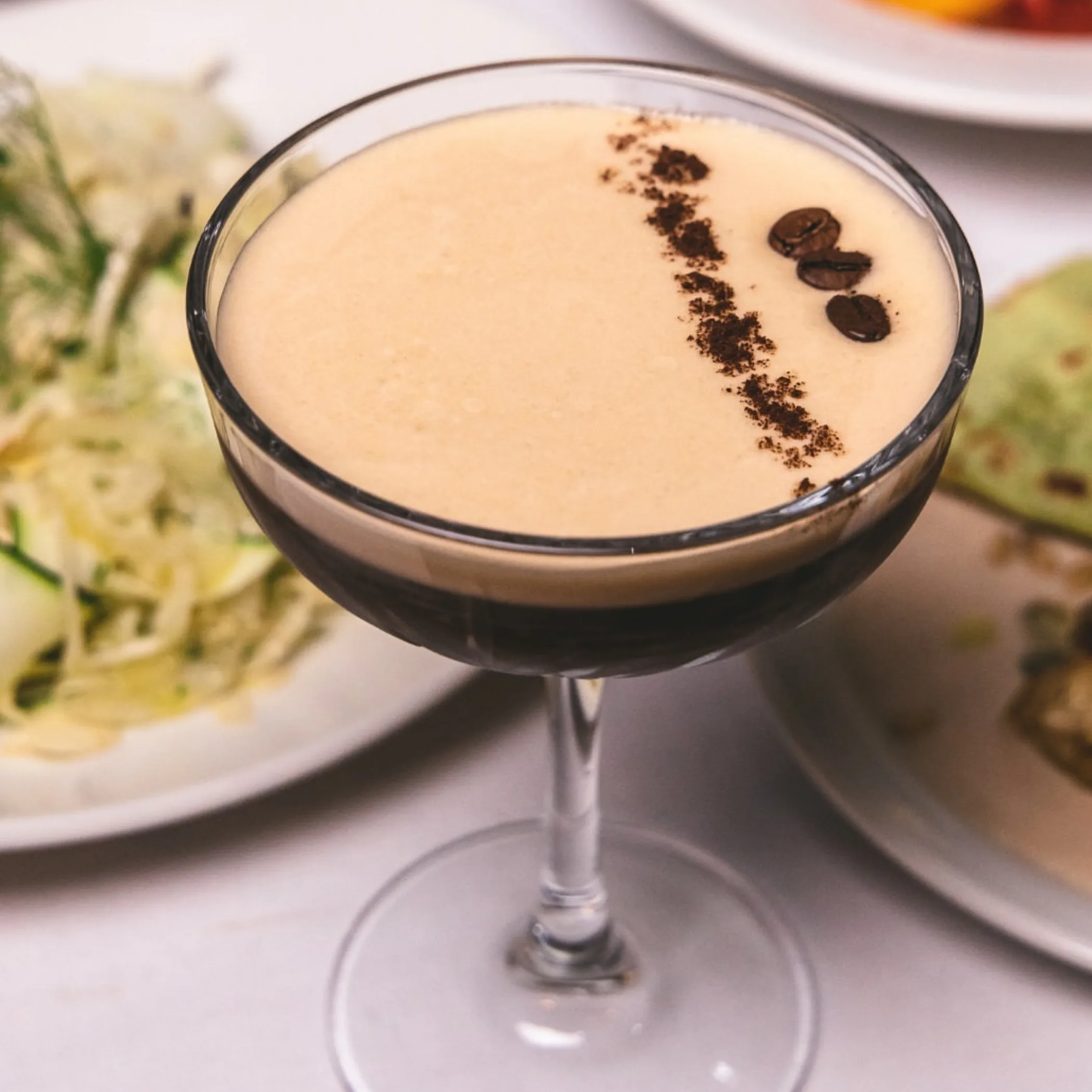
Venues are now set apart by hyper-specialised beverages. A small bar might make its name on filter coffee, tea, vermouth, sake, regional wine, drinking chocolate or alcohol-free fare of a certain quality.
The merit is in having depth. Staff are able to put forward a considered list rather than the usual soft drink and a valiant glass of tap water.
The Maturing of Alcohol-Free
With 2026 trends in low and no alcohol being about adult taste and inclusion, a menu should separate the two and state serving sizes, not put forward the notion that a product meets every medical or religious requirement. Even a house-made ferment that has the flavour of a soft drink can have some alcohol in it; anyone wanting none should inquire and expect an honest answer from the venue. And drivers would do well to bear in mind that labels and recipes are not all the same.
Plain Talk for Specialisation
A drinks list of any speciality must be easy to get at. There is more to be said with tart, smoky or citrus-led than production jargon. An attentive member of staff will put a price on a suitable offering after asking what is to a guest’s liking. One does not want to have to be a sommelier to order without the booze.
Less Waste, Lower Impact
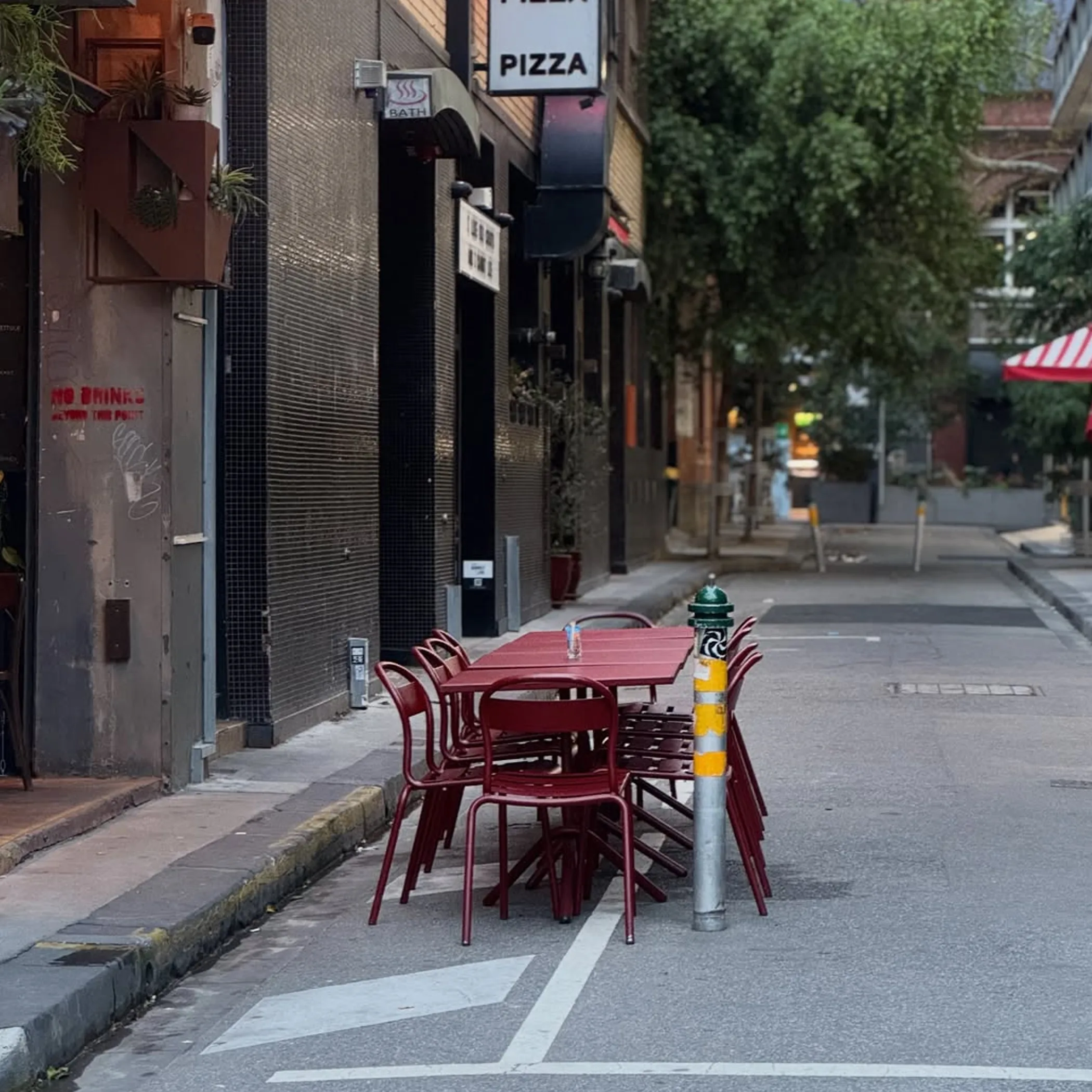
Restaurants in Australia are tying their purchasing to the size of the menu and how much packaging or energy is involved. The environmental action should result in a fresher menu for the diner, not just a green sheen on the ordinary.
Sustainability is not a single thing and claims should be looked at with some care. An ingredient from farther afield could have less of an impact due to shelf life or how it was produced than one from next door.
Evidence to Back Up Claims
To be credible an operator will define the action, be it in seasonal buying, reducing food waste or using whole fish. Absolute terms should give diners pause unless the venue has the evidence and boundaries to show. The ACCC guidance on environmental claims has made it clear in its guidance that Australian businesses cannot put out misleading representations and must be accurate.
The Weather Will Have Its Way
Laneway spots are at the mercy of smoke, wind, rain and heat. In Melbourne the weather can turn and outdoor tables will be vacated in short order; in Sydney a lack of ventilation in a passage can be trying in the humidity. Summer bushfire smoke is an impediment to travel and service regardless of distance to the fire, and in the north the wet season and cyclones will see supply and transport disrupted. These are facts of life, not something to be put aside for a pot plant and a sign touting an earthy ethos.
Service Made Easier by Technology
With pre-ordering, precise reservation times and live waitlists there is less of a question mark over the evening. Done right it puts the reins in the hands of the diner and does not stand in for hospitality.
When put to bad use, it means every interaction is mediated by a phone screen and comes with its own fees and mandatory accounts. The way some of Australia’s top urban restaurants employ technology is to let it handle the routine administration and have a person on hand in case plans are altered.
Two Speeds for More Diners
There is a vogue for the two-speed menu which puts a divide between a quick dinner and one that is more of a guided affair. A set menu of several courses can be put on the books for one party, while another will put in an order for a bowl and a drink at the counter.
For the model to hold water, the time and cost must be made clear at the point of booking. You cannot call it a “quick bite” if it takes up two hours, nor does a set menu done in 45 minutes seem anything but perfunctory.
A Backup for Reservations
At smaller venues where turnover of seats is important, cancellation rules may be more stringent than the diner would like. One should make note of any check deposits or grace periods, how long a meal is allowed to run and whether the reservation is for the table or the counter.
It is best for walk-ins to come in ahead of the dinner rush and get a straight answer on when they might be back in. Should the digital waitlist not work, a screenshot or the name of the booking will do, but do not count on it as your ticket to a seat.
Melbourne is the Proving Ground
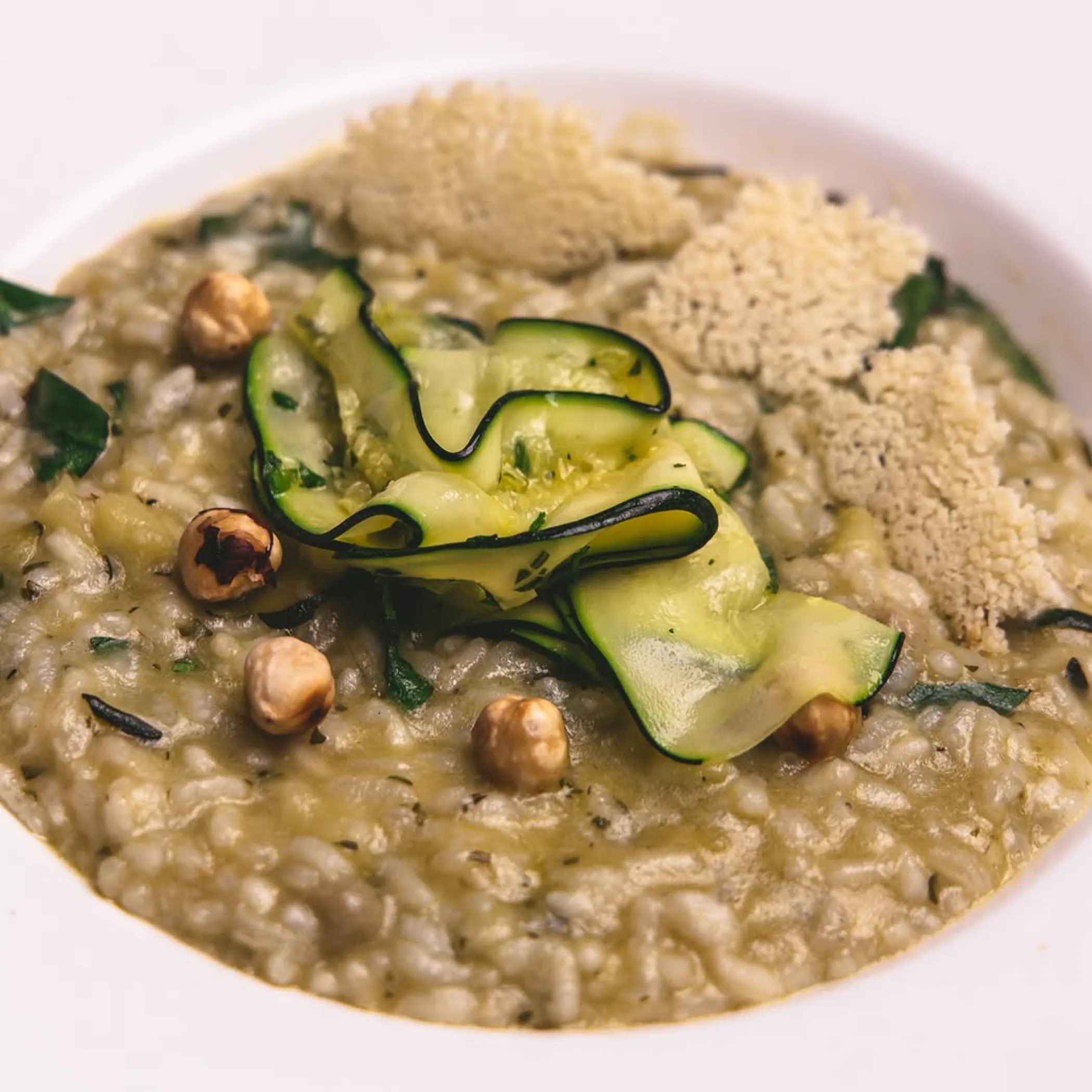
You will find the most instructive example in Melbourne, the central grid of which has you within walking distance of transport and service lanes and arcades. The food experiences in a Melbourne laneway are at their finest when logistics are as well defined as the offering.
Make of it a compact route instead of a frantic restaurant crawl. Pick an anchor meal, a specialist drink and perhaps an optional stop, then give yourself time to locate an entrance and see to being seated.
Formats to Observe
The single-speciality counter is the first: a modest operation with one technique or dish family at its core. Then there is the micro-restaurant of the producer type with a menu that is at the mercy of supply. And the room where the focus is on the beverage and the food is secondary.
Consider these micro-profiles rather than an endorsement of any particular business. With no venue register to hand for verification, one has to accept that quality, hours and ownership are subject to change.
How to Plan a Day
Train or tram to the central city and make that your priority. Even if the map says otherwise, put 15 to 25 minutes in between stops; a wrong turn, the weather or some road works will eat into your time as much as a window display worth lingering over.
- Make a booking for the one meal you want to have and be sure of the seating and what the cancellation policy is.
- Put down the details of the nearest public transport and main street as well as the venue entrance.
- Wear shoes fit for wet paving and have a light layer for rain.
- Leave a stop unbooked for a coffee or something non-alcoholic at the counter.
- As for a food budget, set it before you factor in the costs of transport, booking and drinks.
Without current prices to go on, what is realistic in the central city can be hard to say, so look at live menus and any surcharges. A cheap meal on the menu is easily negated by parking, so look at the total cost of the outing.
Matters of Planning
This is for the curious, for a couple or small group that appreciates a menu with some focus. Not so much for large parties or those who need to be assured of quiet, or anyone put off by having to wait without a firm table time. High stools are out of the question for some.
Families would do well to enquire about pram space and the facilities for children. As for allergies, get in touch with a tiny kitchen early on; the constraints of a compact prep area mean separation may be limited. That is not poor practice in itself but vague assurances will not do.
In 2026 a sensible laneway outing is predicated on timing and access, not a doorway that looks good in a photograph. Some forethought is all it takes to safeguard the enjoyment of an outing and still be open to a surprise. Finnian Sullivan would have it no other way: put in order the necessary booking and let the rest be. In Melbourne one has to expect the weather to get rough, for queues to build up unannounced or to find the best seat on a stool not on the agenda.
Quick Pre-Visit Checklist
- Make sure you know the conditions of your booking as well as when the kitchen puts in its last order and the venue’s hours.
- Know where the entrance is and another street from which to approach it.
- Inquire as to any steps, seating height, toilet facilities and how they handle allergies.
- See what there is in the way of public-transport hiccups or severe-weather warnings.
- Have a payment method that is not tied to a single phone, and some water and a layer for the weather.
- Pick a fallback option on the same side of town within easy walking distance.
Then there is seasonality. A heat wave will alter appetites, rain will put a damper on casual trade, supply can be interrupted by holiday closures and big events will have the books full. Do not put faith in a post you put aside months back; look at the situation just before you go.
Common Questions Answered
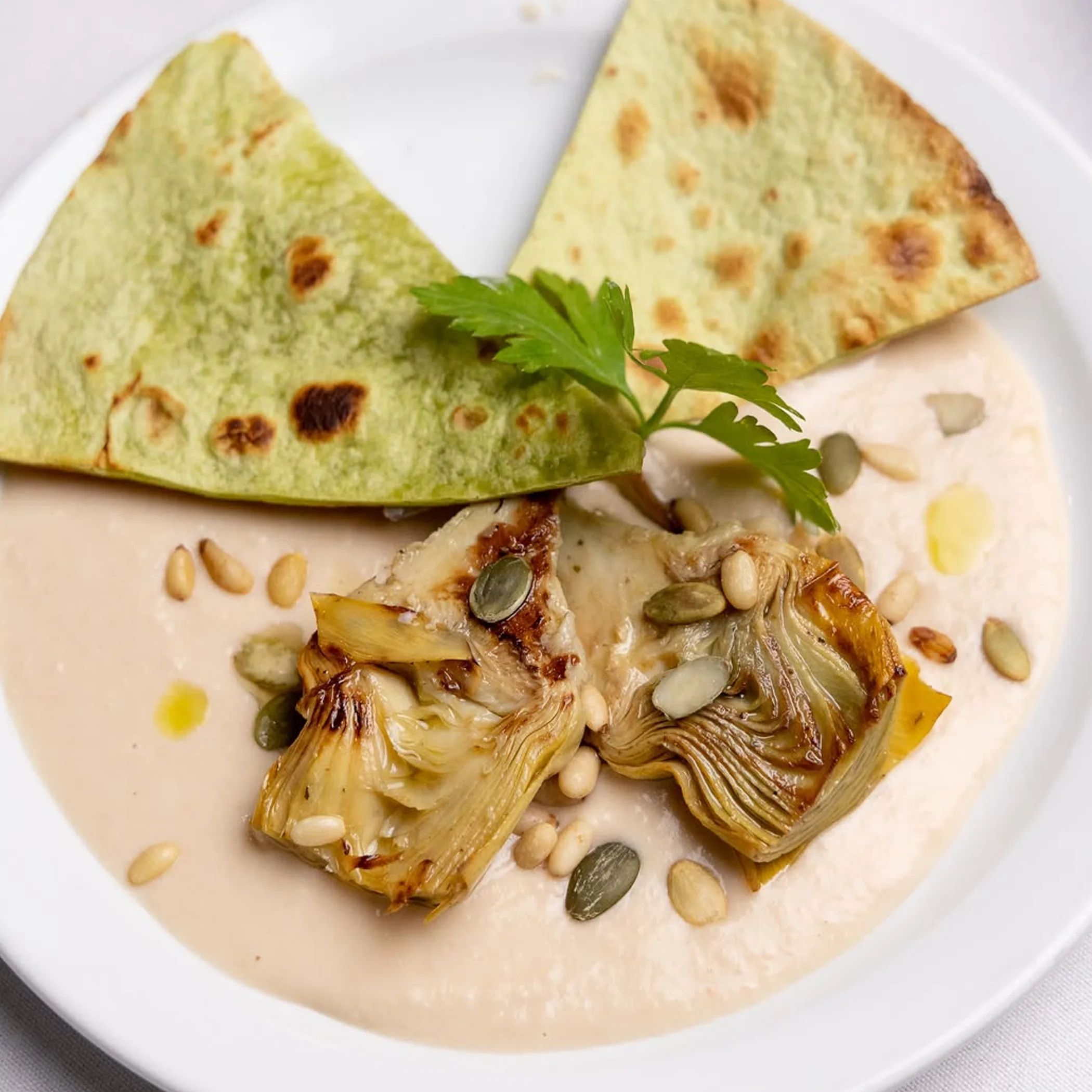
What follows are answers to distinguish a lasting signal from a prediction yet to be borne out. The theme here is less about a trendy ingredient than a transparent and flexible manner of service in a small urban space.
2026 brings its own set of circumstances so when you book, check on prices, access and trading hours. Consider social posts and editorial rankings a place to start, nothing more.
Dining Out Trends For 2026
One sees a move towards digital tools for booking, experience in the service, alcohol-free lists of substance, menus of a more specialised nature and counter seating. The good venues do this to put forward an identity and cut down on friction, not to be fashionable.
Food Trends In Australia 2026
Heritage cooking, hyper-local supply, native produce with some context, regional menus and operations with little waste are among the trends. But with price point and format differing from city to city, none of them can be said to stand for the whole of Australia.
The Biggest Food Trend?
Specificity is the most telling sign, with fewer run of the mill menus and more places devoted to a particular dish family or producer network. To put a “biggest” label on it would be to make a statistical claim for which we have no national dataset to hand.
A Case In Point
Locally sourced fare accompanied by a menu that tells you its provenance is one trend in Australia at present. Another is the move away from the ordinary soft drink in favour of low- and no-alcohol options that have been given proper development.
Is There Always A High Price Tag On Laneway Venues?
Not necessarily. An affordable counter meal can be had in a small footprint but then again central-city rent, skilled staff and the like can put the cost up. Before making the trip, see the menu and add in transport, surcharges, fees and drinks to get the true figure.
Focus Over Fashion
The 2026 laneway dining scene in Australian cities is for the small venue with something to say, for credible sourcing and a social layout. Ask yourself if the restaurant can tell you what it is you are having and at what cost, who the room is for and where it has come from.
Book accordingly, confirm you can get in, and allow for an impromptu stop at the counter. It is a way to have the pleasure of it without the hype or a map pin in some dubious alley.
Publishing Search Details