The birds and the state itself are quite different from one end of the year to the other, which is why seasonal birdwatching in Victoria is of some consequence. The short answer as to when to go is this: head out in spring for forest activity and breeding displays; make of summer what you can with migratory shorebirds and the coast; autumn is a good time for wetlands and more sedate local birding; and winter will not disappoint for raptors, waterfowl or an inland or montane species or two that are in demand. It is the way of things in Victoria and you would do well to be aware of it before expending fuel on a futile chase in the wrong month.
Finnian Sullivan has a way of putting it: there is no call for bravado in Victoria, only good timing. A Victoria birding calendar of merit and some realism are called for, not heroic hiking legs or a telescope at a price to rival your car. For enthusiasts visiting the island, the Phillip Island bird species guide can be an indispensable resource. One must have the patience to stand still while a fellow birder is of the opinion that some far off outline is “an eagle without a doubt”. An occasional time he is right, but more often than not it is a swamp harrier and a touch of wishful thinking.
Why The Seasons Are Important
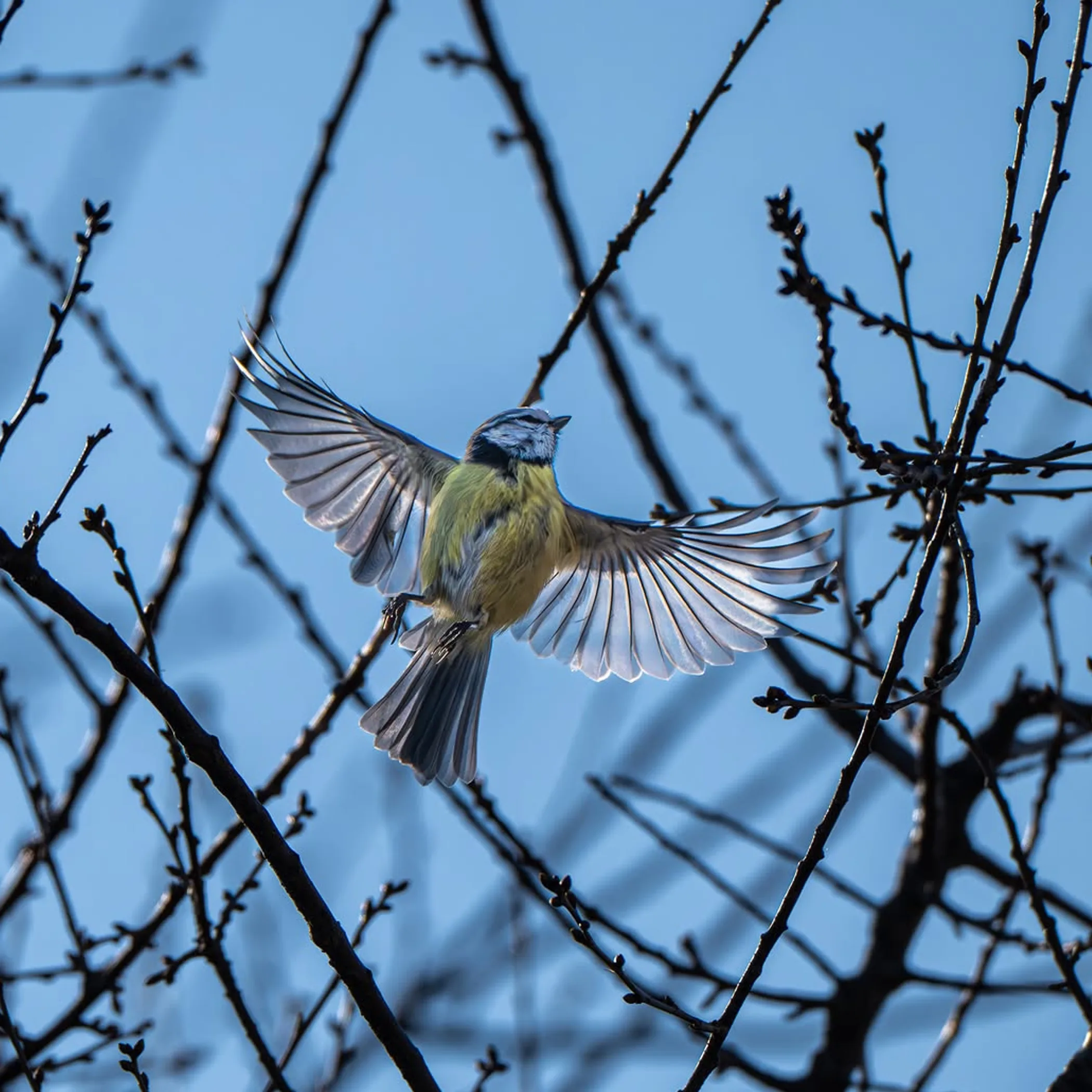
Your opportunity to put a good view on a bird is not evenly distributed over the year in Victoria, nor are the birds. Visibility and location are dictated by food, weather, moulting, migration and breeding.
Do not be taken in by the notion that a well known site is invariably at its peak. In a dry autumn a premier wetland can seem rather flat, whereas the heat of a summer day can make a forest, so full of sound in spring, appear almost impolite.
What Victoria Has To Offer
Within a reasonable drive you will find river country, coasts, mallee, farmland edges and mountain ash forest among the wetlands. This puts Victoria in a class of its own for putting together a few short trips suited to the season as opposed to a grand holiday where you leave it to luck.
Should the weather turn, plans can be altered. A coastal wind that is rough as guts calls for an inland trip; if fire danger or closures rule out a forest in summer, an urban reserve or wetland will suffice. Before making your way out, see what the Bureau Of Meteorology has to say about any warnings or fire conditions.
A Seasonal Overview
For those with weekends to plan and no desire to compose a thesis in a hide, here is the working birding calendar in brief. Refine it as you see fit for distance and habitat.
There is no point in attempting a loop of forest, wetland and coast in one day under the guise of heroism. On paper Victoria is compact enough until the traffic and coffee breaks set in. Pick a site to suit the season.
| Season | Best for | You will find | Where | Suitable for |
| Spring (Sept–Nov) | Forest activity, song and the displays of the breeding season. | Superb Lyrebird, Pink Robin, Powerful Owl, parrots and honeyeaters. | Bushland on the Mornington Peninsula, the Dandenong and Otway Ranges. | Keen listers and novices alike. |
| Summer (Dec–Feb) | Seabirds and the action on the coast. | Terns, shearwaters and the like, including Phillip Island’s fare. | Western Port, Mallacoota, Point Cook Coastal Park and Phillip Island. | For the family, the photographer and others of a coastal bent. |
| Autumn (Mar–May) | Flocks of mixed species and calmer waters. | Woodland types and waders in transit. | Western Treatment areas, Gippsland, Woodlands Historic Park. | Those who prefer to avoid the crowds. |
| Winter (Jun–Aug) | An inland emphasis on raptors and waterfowl. | Ducks, Red-tailed and Yellow-tailed Black Cockatoos. | Volcanic plains, the Wimmera and Western District. | Patient types with a warm layer or two. |
Victoria is home to 500 plus recorded species, so even a reserve of unassuming appearance can have something to offer. Not every visit will be a success, but it is why the finest birdwatching in the state is to be had in all manner of habitats and not just in one marquee national park.
When The Noise Comes With Spring
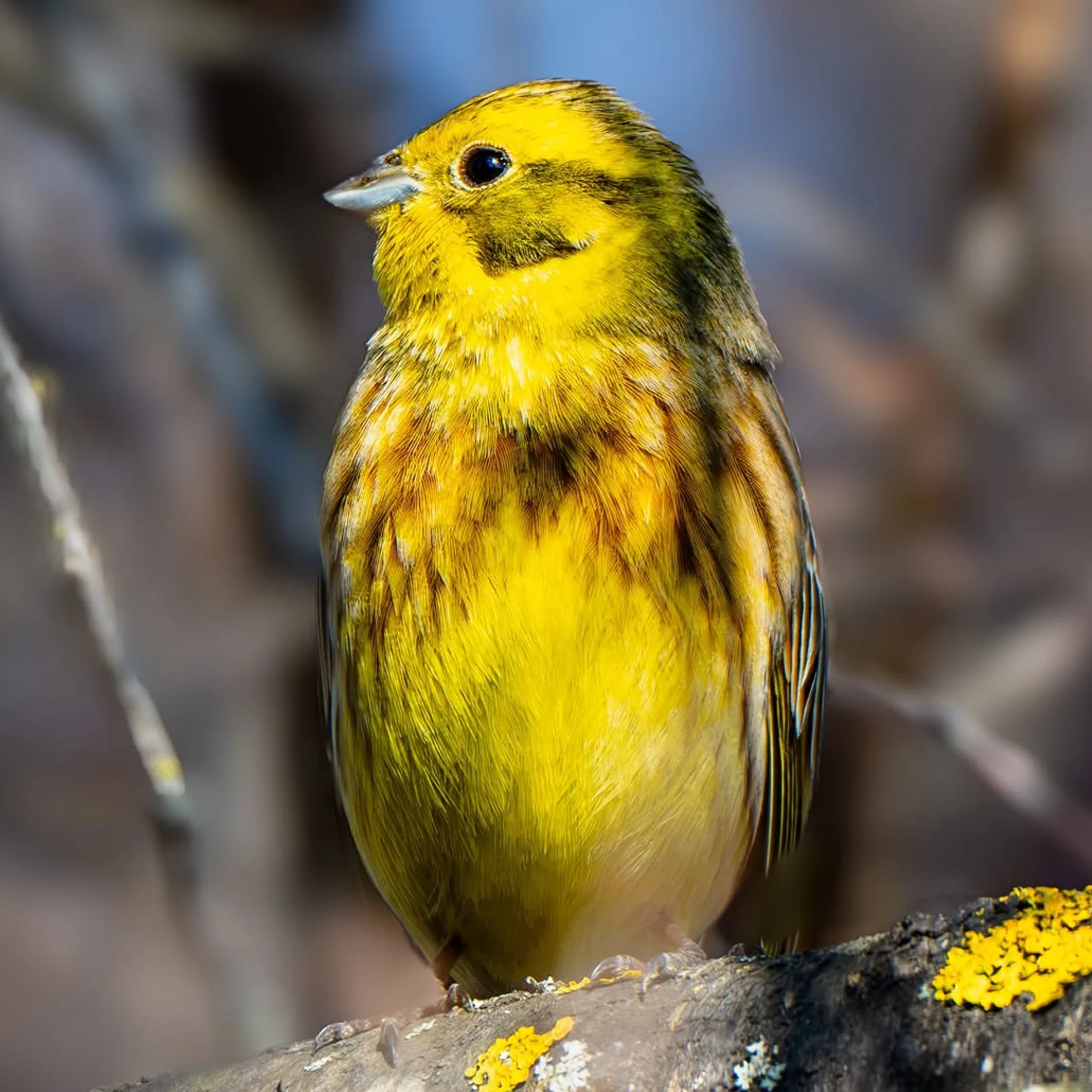
Ask anyone about a first foray into Victoria and spring is the usual recommendation. The bush is switched on and the birds are territorial and vocal, making them simpler to put a face to by ear, which is helpful when your eye is not yet fully trained. This is the time for the kind of bird you hear the searchers in Victoria talking up. All in all you will forgive the early hour.
Chasing Some Forest Birds
For a spring outing to get at the forest specialties, the Otway Ranges are hard to beat. When the males are at it, calling and displaying, you will not miss the Lyrebird’s fine form; a damp gully in the right sort of habitat will put up a Pink Robin as well. There is a chance of a Powerful Owl in some quarters but do not be one of those who thinks a flat white and 9.15 am will ensure you have one on view.
Then there is Mornington Peninsula with its share of pricey weekend traffic and beaches, to be sure. Yet in spring the woodland edges and bushland can be very productive, particularly at the start and end of the day. One might consult BirdLife Mornington Peninsula for an idea of what has been going on locally of late, but field conditions are more to be relied upon than any internet would have you believe.
What Most People Get Wrong
For one thing they are late. You will find spring birding at its best between first light and mid-morning or again in the later afternoon. Come late morning on a warm still day and the birds will have quieted to the point where even a good reserve seems lacking.
And they put too much pace into their walk. Finnian Sullivan was made to understand this years back on the tourism tracks: go marching along as though a bus is about to leave and all you will see is the retreating backsides of the birds.
The Coast In Summer
Summer is when migratory shorebirds and seabirds are the order of the day and you want to make the most of your coastal sessions before the heat and the crowds and the glare get in the way. The action is on the islands, estuaries and mudflats.
It is also when reality has a habit of diverging from expectation. The thought is of cinematic birds on a placid beach. More often it is sunburn, a dog off lead making havoc of a roost and a northerly to put you in a bad mood.
Coastal Birding At Its Best
Take Phillip Island in summer, a Victoria hotspot for a compact mix of coastal, wetland and shorebirds. A species guide for the island is worth having if you intend to put in a proper day; you will not find the same birds at every turn and the habitats are apt to change.
Near Melbourne Point Cook Coastal Park is a good bet for the migrant and coastal variety, provided tides and weather are in your favour that day. So too can Western Port and some of the Mornington Peninsula, assuming you are around for the high or rising tide roosts and not just when lunch has been had.
Heat, Tides And Safety
Not exactly mountaineering but there are practical hazards to a summer coast outing: the UV, the heat, soft edges, mud and the odd tide cut-off can make things unsafe or simply irksome.
Photographers should mind their ethics in summer. Do not encroach on nesting shorebirds. Should the bird take offence and call out or alter its posture, you have overstepped. Let the bird be; the best photography does not come at the bird’s expense.
A Quiet Autumn
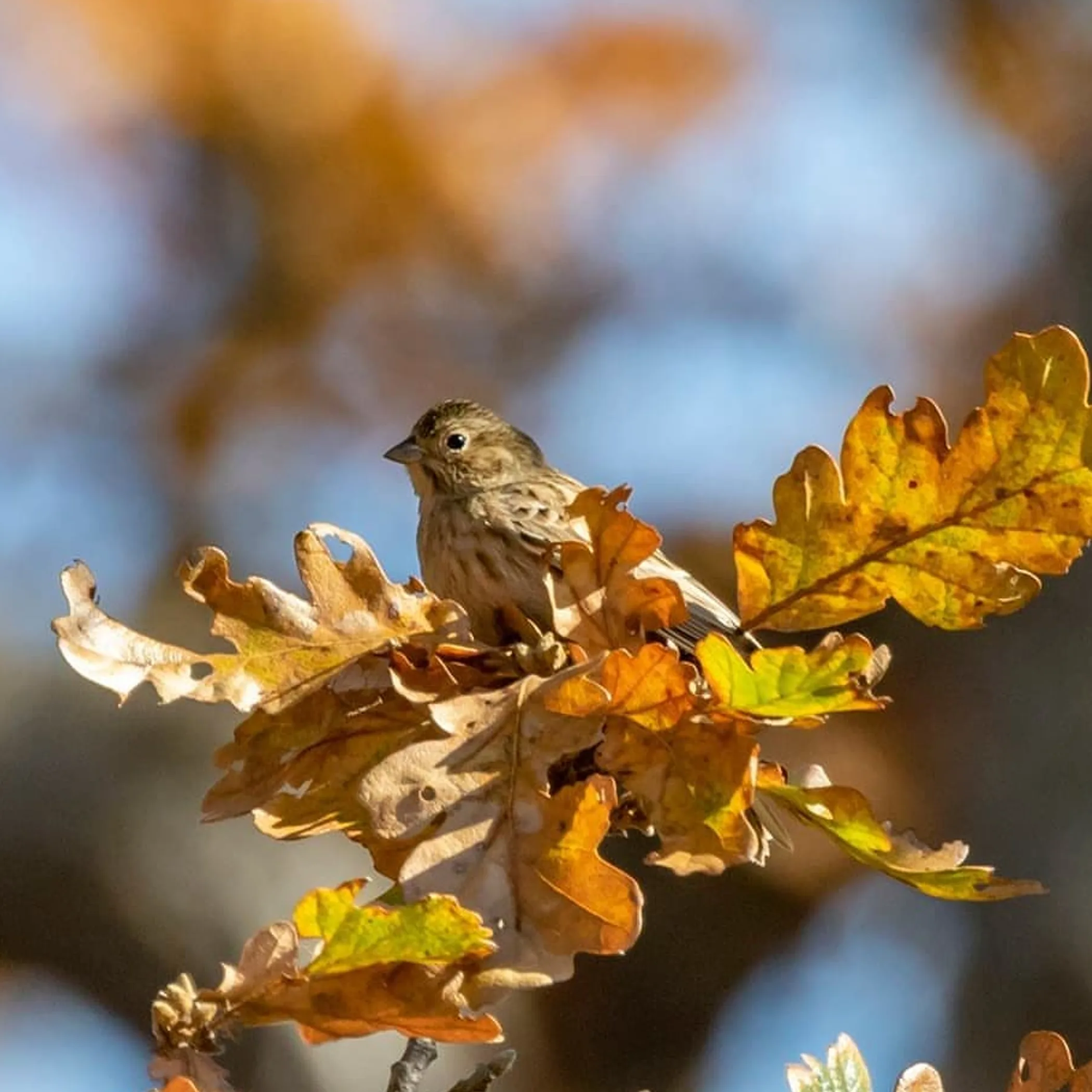
One might think autumn has none of the drama of spring or the waterbirds of winter and overlook it. Not wise. For a trip to the sheltered woodlands and wetlands that is less crowded it is among the better times in Victoria.
There is still migration to be had as some of the summer folk depart. It may not be as theatrical as breeding season but the calmer conditions make for easier sorting of mixed groups.
Wetlands And The Like
In and around Melbourne the Woodlands Historic Park is a convenient autumn choice for raptors and parrots. Elsewhere in western and central Victoria the wetlands will have their ducks, herons, ibis and grebes in reasonable numbers so long as the water is there. What you get in a dry spell versus a wet year is another matter entirely, no brochure to the contrary.
Beginners will find it useful too; without the territorial nonsense of spring a bird is easier to study and one’s eye is sharpened for shape and behaviour.
Winter For Those With Patience
With a jacket that is fit for purpose and not merely in vogue, winter in Victoria can be very good for open country and wetlands under moody skies. Black cockatoos are frequently the highlight and raptors put in an appearance.
But if a cold wind at breakfast time is enough to put you in a huff, you may find winter birding puts a strain on your hobby.
Inland And Open Country
In much of the state one can count on the Yellow-tailed Black Cockatoo for a dependable winter outing; you will be told of its presence before you spot it. The Red-tailed is of a more special and localised nature, to be found in the south-west and its environs, so this calls for some forethought, not the kind of random driving done on hope.
Then there are the Turquoise and Swift Parrots, which come up in conversation but have to be handled with care in any guide given the vagaries of habitat and the year. The Swift is nationally important and sufficiently unpredictable that an enthusiast would do well to go by site advice and credible recent reports instead of relying on old blog postings from every corner of the web.
Who makes the most of a winter?
Those birders inclined to put on the right clothes and do some scanning and waiting will find the season to their liking, as will photographers making use of the softer light and skies put on by dramatic weather. For families with small children it is not so good unless the site has short walks, easy facilities and a dunny at hand; there is no romance in a car park off a wet paddock.
Choosing A Hotspot
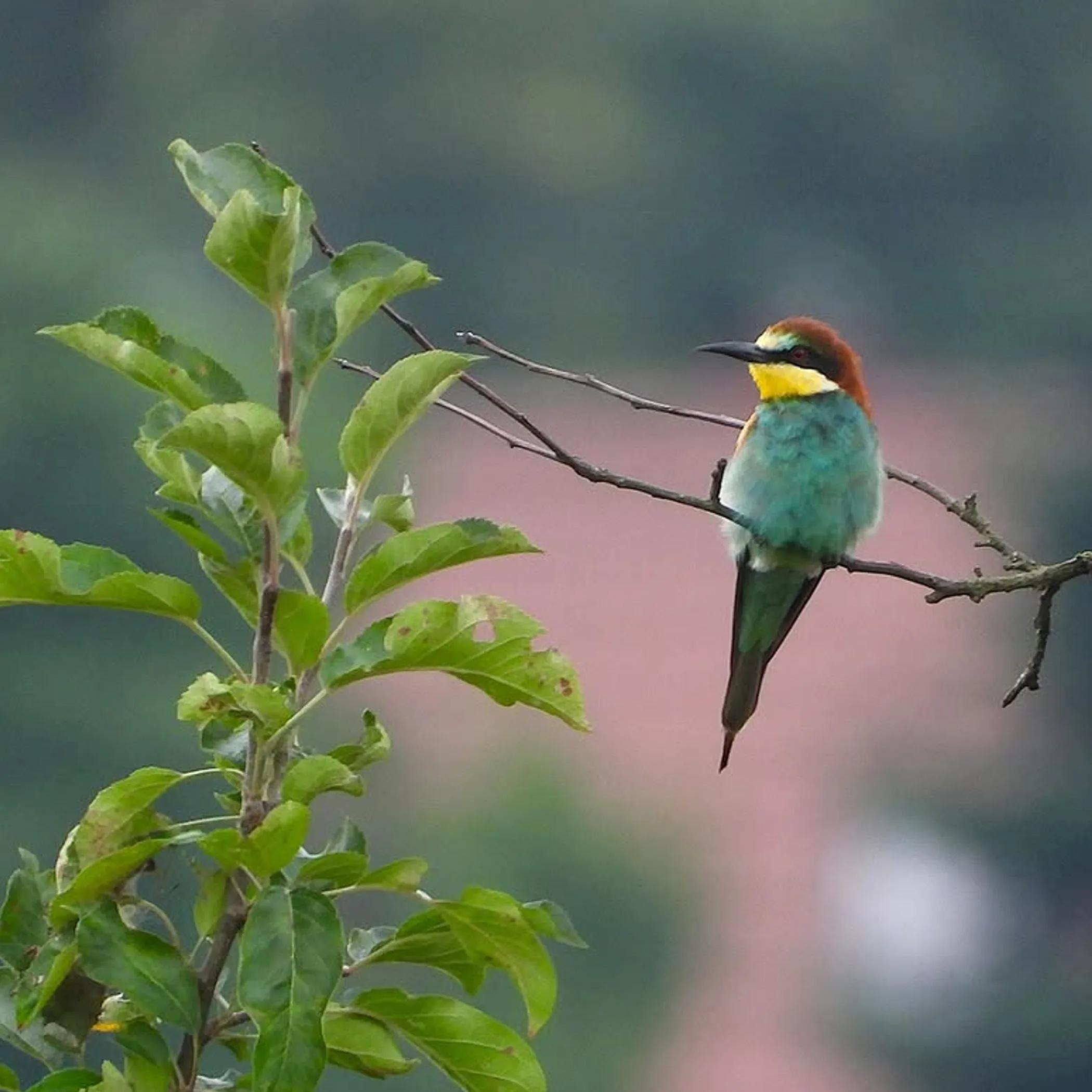
In Victoria the best birdwatching is not a matter of prestige but of fitting the habitat to the month. Any map pin with a name to it is no match for a well thought out plan. What follows is the unvarnished account of where to head, what to expect and how difficult it might be. Allow for traffic, the weather and the odd “wait, was that it?” when considering distances and timing.
| Location | Best Season | Access And Logistics | Difficulty | Highlights |
| Phillip Island | Summer to early autumn | Drive from Melbourne via South Gippsland route; parking available at key reserves and coastal stops | Easy | Coastal birds, wetlands, seabird interest, broad visitor facilities |
| Mornington Peninsula | Spring and summer | Easy day trip from Melbourne; mix of beaches, bushland and estuaries | Easy to moderate | Shorebirds, woodland birds, flexible one-day trip |
| Otway Ranges | Spring | Car essential; roads can be slow and wet; allow full days, not rushed half-days | Moderate | Superb Lyrebird, Pink Robin, dense forest birding |
| Point Cook Coastal Park | Summer and autumn | West of Melbourne; best with tide planning and calm weather | Easy | Migratory shorebirds, open coastal scanning |
| Woodlands Historic Park | Autumn and winter | Near Melbourne Airport precinct; straightforward access by car | Easy | Woodland birding, raptors, easier navigation |
| Mallacoota | Summer to autumn | Long drive; better as a multi-day trip with booked accommodation | Moderate | Estuaries, coastal diversity, strong regional trip value |
If a day is all you have, make it Phillip Island for a varied session on the coast that will suit a novice, or if you are already of a mind to be bird-mad, the Otways for a spring in the forest. Attempting a self-directed winter run after some rare inland fare is a recipe for frustration if you do not know your access points and calls.
As for rarities, do not structure a standard Victoria excursion on the off chance of a red-tailed tropicbird, much as people like to read about them. Unusual pelagics or vagrants are to be regarded as a bonus.
There is nothing like proper planning
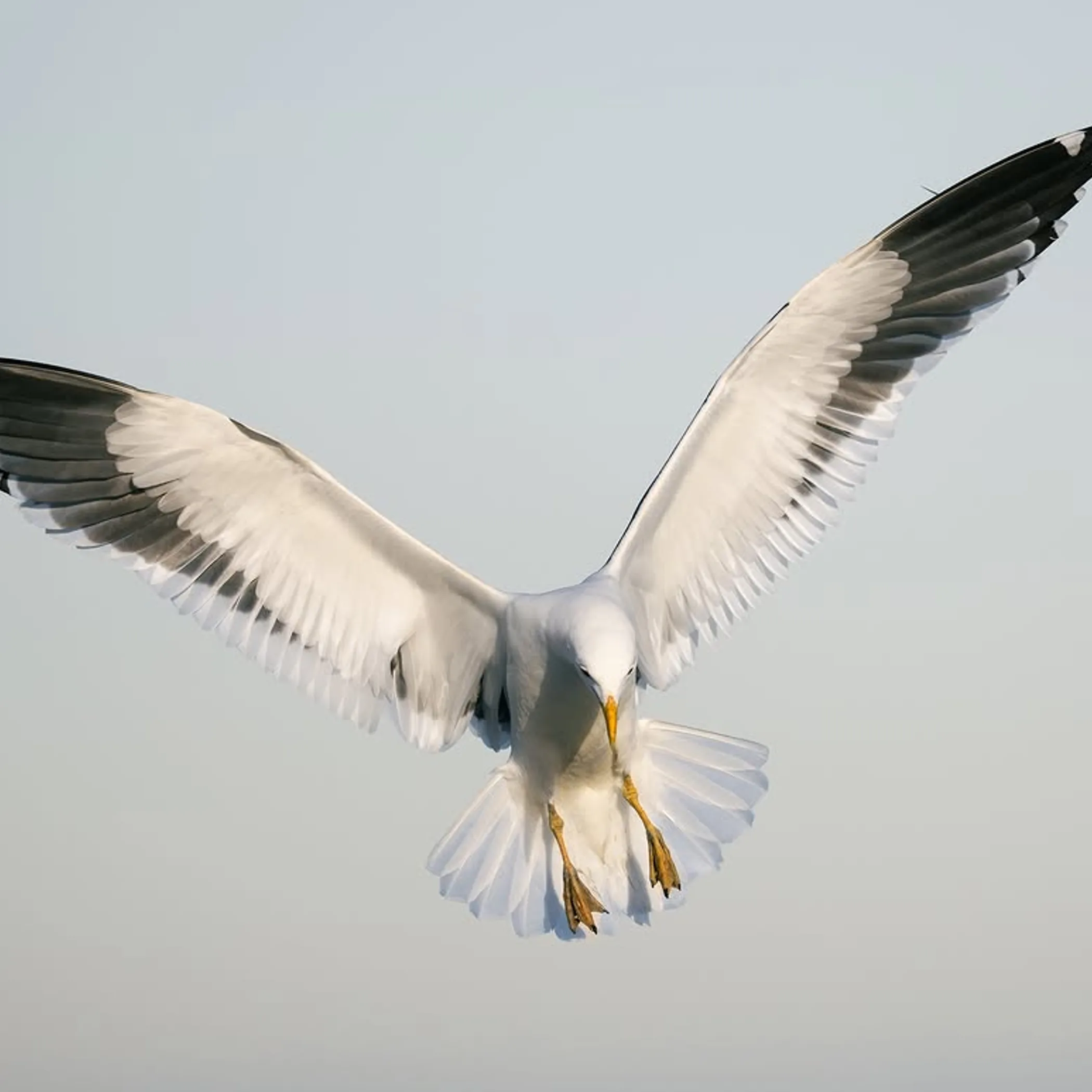
The better part of a birding trip is put in place before you get in the car. Finnian Sullivan has had his share of tourism work and can attest that while winging it has its charms, they evaporate once the café is closed and the reserve track shut due to conditions and the car park at capacity. Leave the spontaneity to the birds and see to the timing, fuel and the rest.
Guides, Groups And What They Cost
A guided tour can be money well spent for the time-poor or those after a particular habitat. While a private guide from one of the Birdwatching tours Victoria operators will set you back more than a modest group half-day, the hit rate on cryptic and forest birds is another matter. For the most part the self-drive option is cheaper.
You will find assistance with research from Fatbirder, Australian Naturally Travel, Visit Victoria and the likes of BirdLife Mornington Peninsula and Birding Victoria, though a glossy summary is no substitute for a recent report from the area. The Guardian may have something on conservation of interest, but for the day ahead you want the ground truth.
Getting Around
A car is the way to go for most of Victoria’s hotspots. Public transport will serve you at some peri-urban reserves but you are left with little room to alter plans at dawn. Parking is not an issue at the larger sites as a rule, except perhaps on a summer weekend in the Mornington or Phillip Island where it gets as tight as sardines. Be liberal with the slack in your timing, it is more realistic that way. You can make a day of it from Melbourne to Phillip Island but be aware it will be a long affair if you are after the light at dawn. As for the Otways, put in a full day at the very least; an overnight is better still to put in some early and late birding and not have to drive home in a state.
Pack For The Actual Conditions
There is nothing particularly exciting about the gear one needs for Victoria and in a sense that is as it should be. You will find comfort, the ability to be quiet and some protection from the elements will trump any fancy gadgetry.
The mistake is to dress for what the town forecast says rather than the reserve. A cold start at dawn or some coastal wind and mud on the tracks will put paid to poor planning and make it all too memorable. Stick to neutral clothing. Leave the bright white and neon and anything with a noisy fabric behind and the birds will put their minds at ease.
Water, a hat, sunscreen, insect repellent, something to eat and a light rain layer should be in hand come what season.
A notebook or app is of use provided you do not forget to look up, and when you are new to it a pair of binoculars is of more consequence than a large lens.
And see that your footwear is up to the terrain. Boardwalks are no trouble, the shoreline mud and forest tracks are.
Bird Photography Without Being A Pest
It is not hard to take a good photo: put the sun at your back, be there in the early or late hours, get down low for shorebirds and leave roosts and nests alone. If you are edging in while others are retreating then you are the problem, not the dedicated type.
A useful tip for when it is windy is to work from a sheltered edge instead of an exposed lookout; you will come by birds feeding where they are more at ease.
Expectation Versus Reality
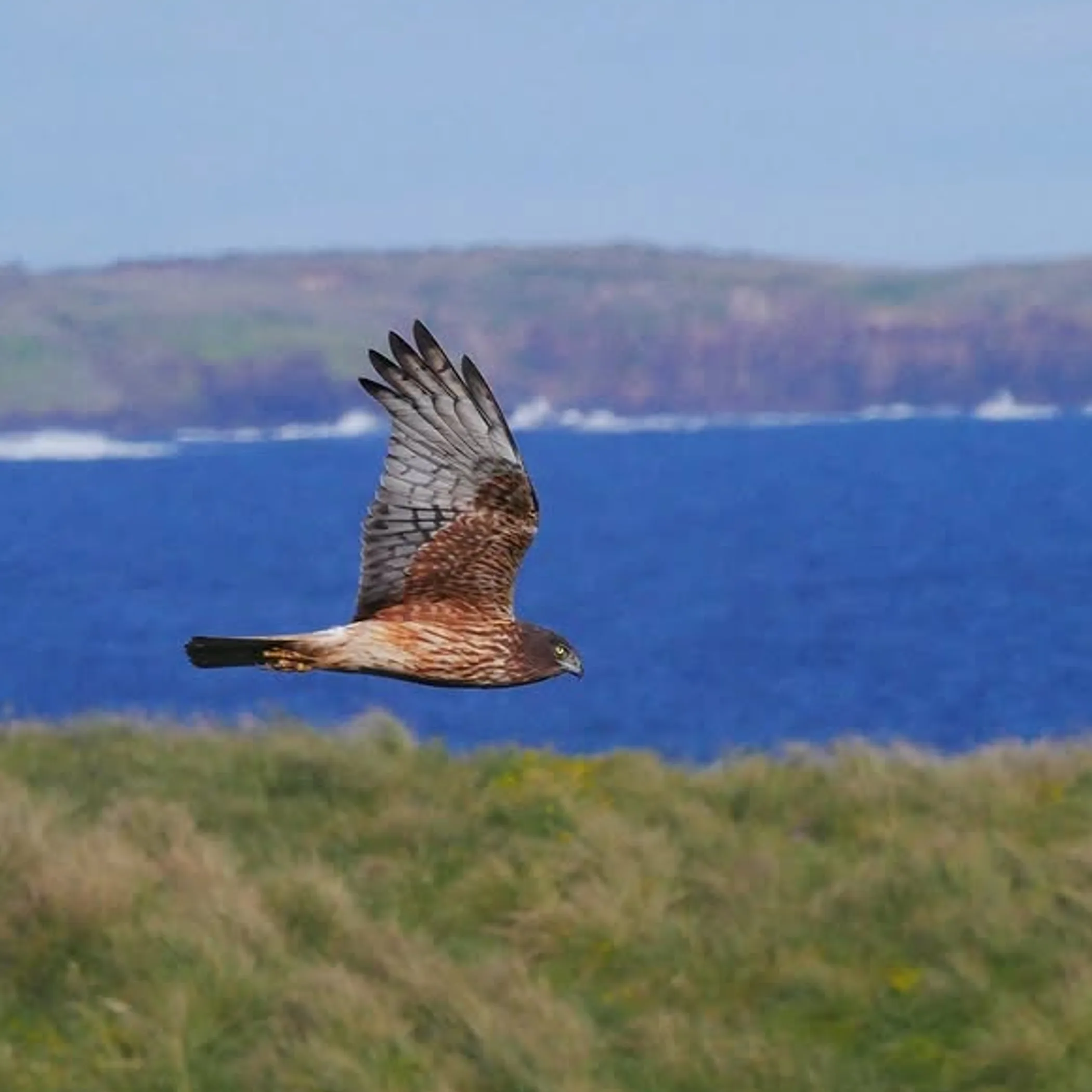
This is not a zoo and that is the whole idea. What makes a fine seasonal outing in Victoria is a combination of habitat, luck, patience and the weather, not any kind of sure thing.
You may expect to turn up at a site and have your target bird present within the hour. In reality you will have three or so stops, long stretches of nothing, maybe a twenty minute or so of brilliance and a bird you almost let go because you were fiddling with a muesli bar. Nothing unusual about it, and the reason for going in the first place.
Phillip Island or the Mornington Peninsula in summer and early autumn for easy variety.
The Otway Ranges in spring for some serious forest birding, and make an early start.
To scan open country for black cockatoos you will want a winter plan for western Victoria or further inland.
Common Questions Answered
When people set about making a vague notion of birding into a proper day out they tend to ask these things. Understandable, the fun is in having the logistics in order.
Where Are The Best Places To Birdwatch In Victoria?
Options like Mallacoota, Woodlands Historic Park, Point Cook Coastal Park, the Otway Ranges, the Mornington Peninsula and Phillip Island are well known. Your distance and the habitat you are after will dictate which is best.
What Is The Best Season For Bird Watching?
For most, spring is the all-round choice with its breeding displays and song. Wetlands and raptors are good in winter as are black cockatoos, and for migratory shorebirds and the coast, summer is hard to beat.
When Should I Visit Phillip Island For Birds?
From summer through to early autumn is especially good for the wetland and coastal side of things on the island, although one can find birds in different habitats at any time of year. A species guide for Phillip Island will save you driving round in circles on a first visit by telling you where to go for what.
What Colours Should I Avoid When Birding?
Nothing fluorescent or bright white, nor materials that are loud. You will move more quietly and draw less notice in a dull blue, grey, brown or green.
Where Is The Best Bird Watching In Australia?
Too much variation in the species and habitat to name a single place. Victoria has its accessible seasonal offerings but the tropical north, arid zones and the big coastal wetland systems are also standouts.
Final Takeaway
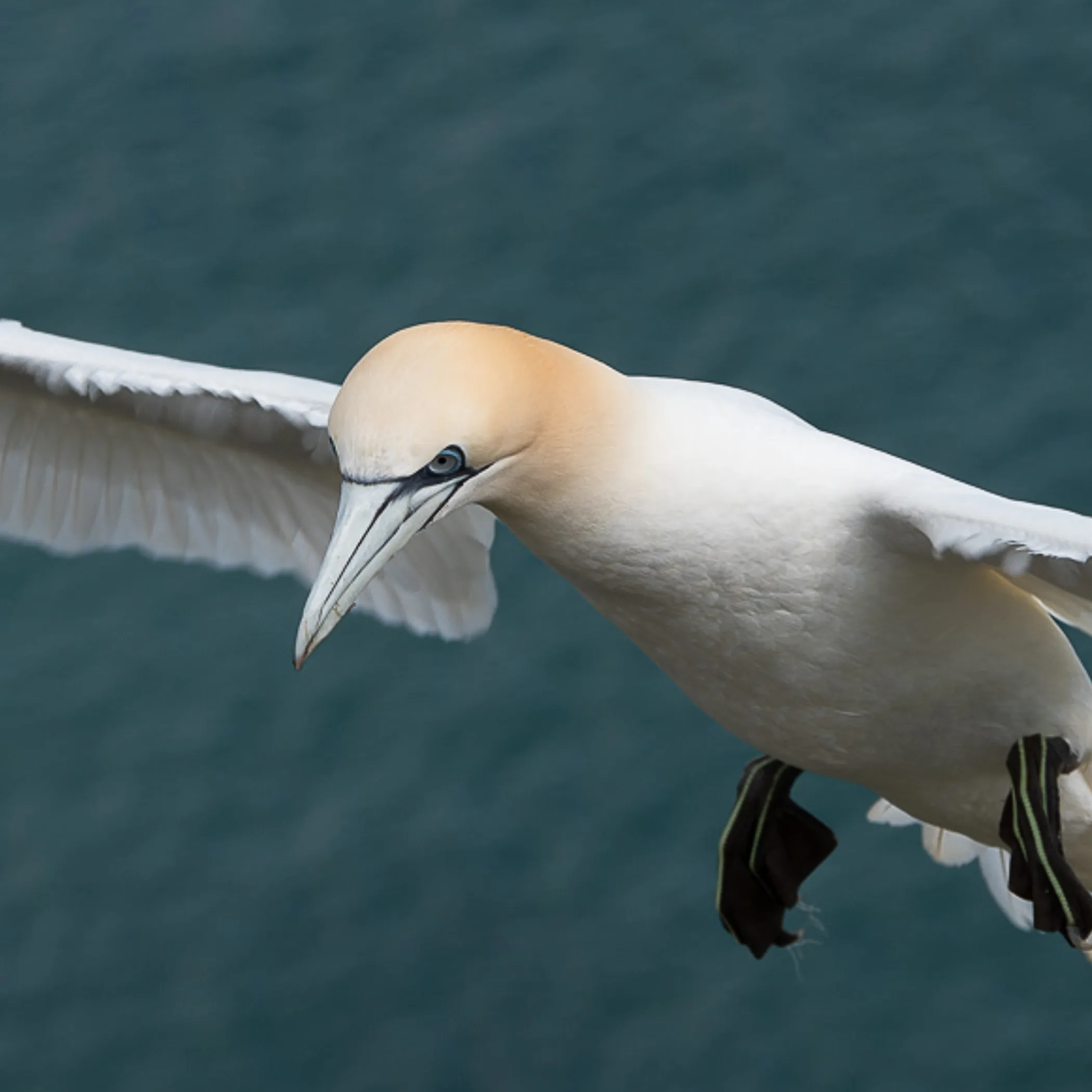
Keep it simple: match the bird to the habitat and the habitat to the season. It is what underpins birdwatching in Victoria and will save you some unnecessary kilometres.
Finnian Sullivan would say do not overthink it. Go to a region, be there early and pack for worse weather than is being told. Then put in a bit more time standing still than you feel like. Victoria will do the rest.